Summary
Aim of Tier 3
Assess the effects of the Top 3 selected [Glyphosate (herbicide), Tebuconazole (fungicide), Acetamiprid (insecticide)], involving animal studies (rats and mice). Tier 1 (in silico testing) and Tier 2 (in vitro testing) could not inform on any sex-specific analysis addressing distinct toxicological effects because of the inherent limits of these models. In fact, neither in silico nor in vitro modelling can explore sex-related effects and also sex relevant toxicological outcomes (for example endocrine disruption). Tier 3 (animal modelling) was designed to allow in depth sex-specific analysis addressing distinct toxicological effects.
Type of test used in Tier 3
- 13-week toxicity study in rats exposed from prenatal life (standard EFSA Tests)
- microbiome and behavioural studies in mice (New SPRINT Indicators)
Two other analyses based on samples derived from the main studies were performed:
- microbiome effects in rats (new SPRINT indicators)
- electron microscopy of kidney lesions in mice and rat (nephrotoxicity) (new SPRINT indicators)
Doses tested were in the range of the low doses’ between ADI (Acceptable Daily Intake) and ADIx100.
Results of Tier 3 (individual results are described in detail for each experiment)
Tier 3 showed that even at low doses (ADI), similar to what humans might be exposed to, pesticides and their mixtures can:
- Affect hormonal development
- Alter liver enzyme
- Damage organs (liver, pancreas, circulatory and genital systems)
- alter gut microbial diversity and function
- observation of early signs of kidney stress (not always visible with standard techniques)
Mixtures caused the most widespread alteration, even at doses corresponding to levels that are currently considered safe in humans (or without adverse effects in animals, i.e. between ADI and NOAEL).
The new models used (the New SPRINT Indicators) proved to be sensitive and relevant for different toxicological endpoints of interest.
Detailed reports
In the following sections, the users will find detailed reports for different in vitro tests including their aims, methods and results.
13 WEEK TOXICITY STUDY
Aims
The samples and information collected during the experiment, aimed at evaluating different endpoints as histopathological lesions or endocrine impact, were necessary to elucidate possible pathogenetic mechanisms related to pesticides and to the mixture of that, frequently found as residues in foodstuff, mimicking the human exposure scenario.
Methods
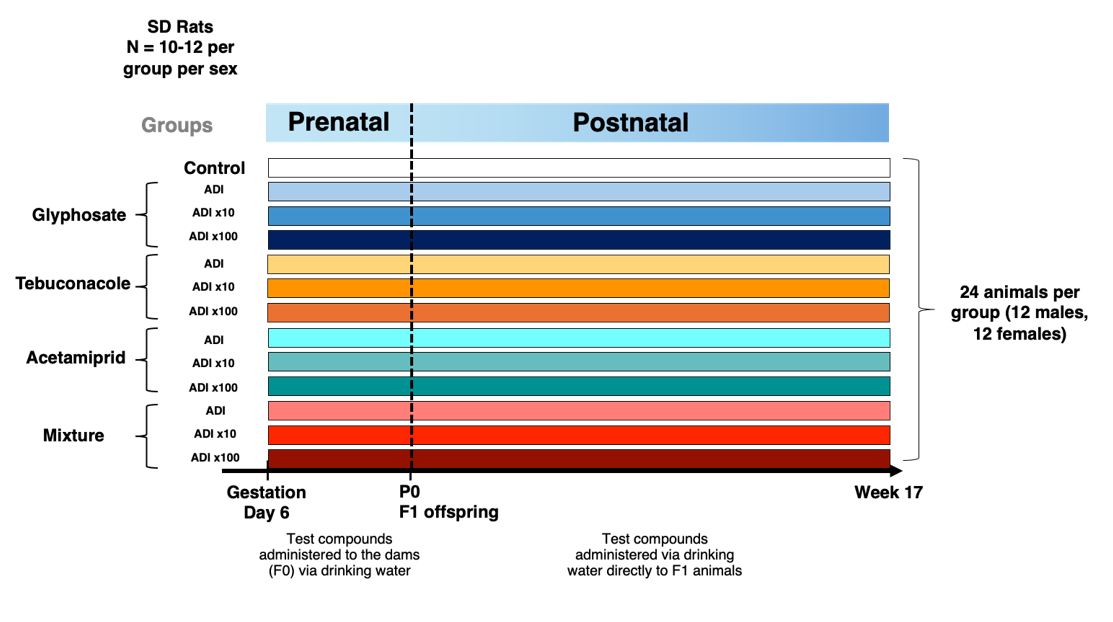
The 3 pesticides involved, and the mixture were administered with drinking water to Sprague-Dawley rats, starting during prenatal life (Gestation day 6) until 13 weeks after weaning. Each test substance was administered at doses of Acceptable Daily Intake (ADI), ADIx10 and ADIx100. Standard endpoints were recorded together with other toxicological endpoints as the microbiome effect [12].
Results
Survival, Body Weights and Consumption
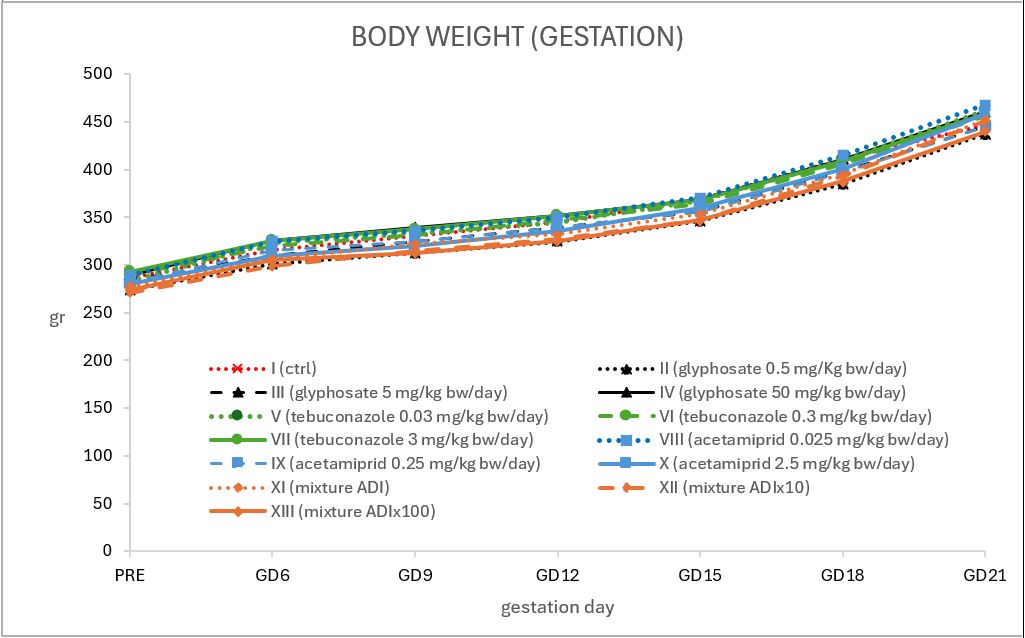
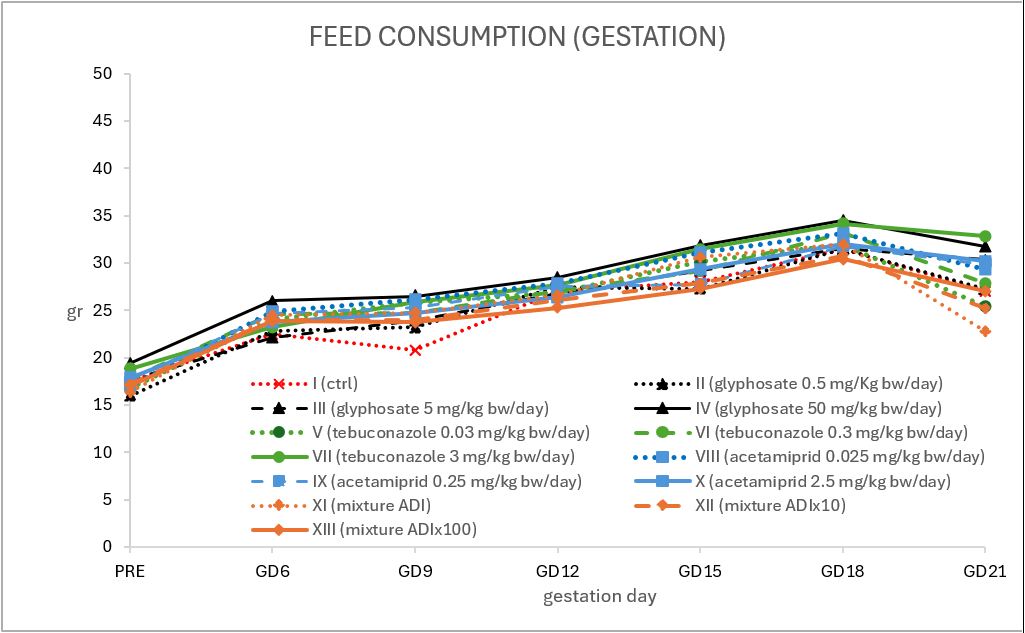
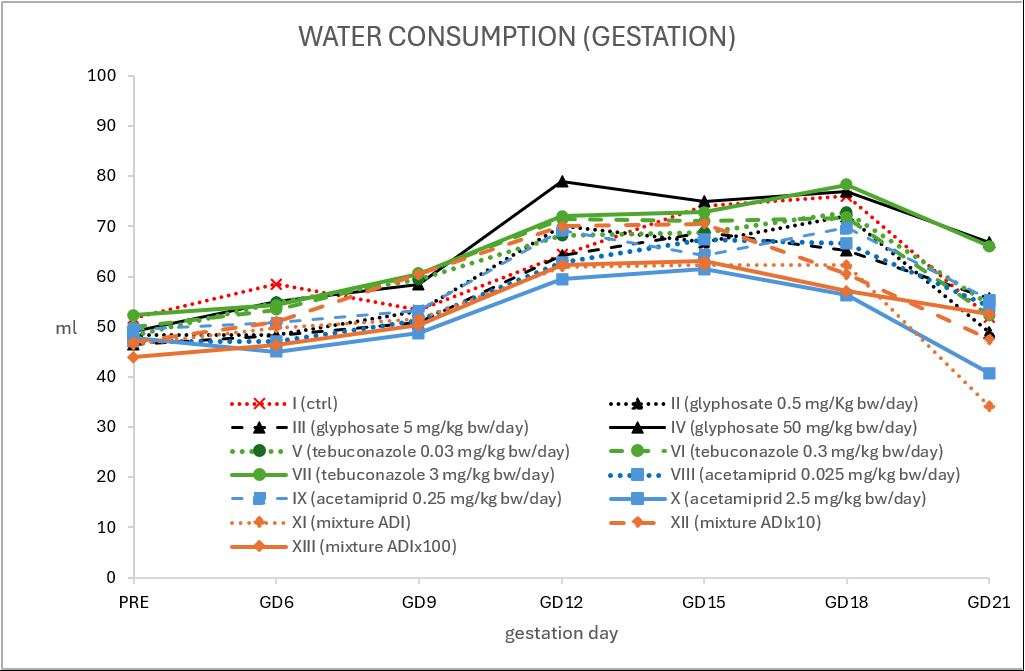
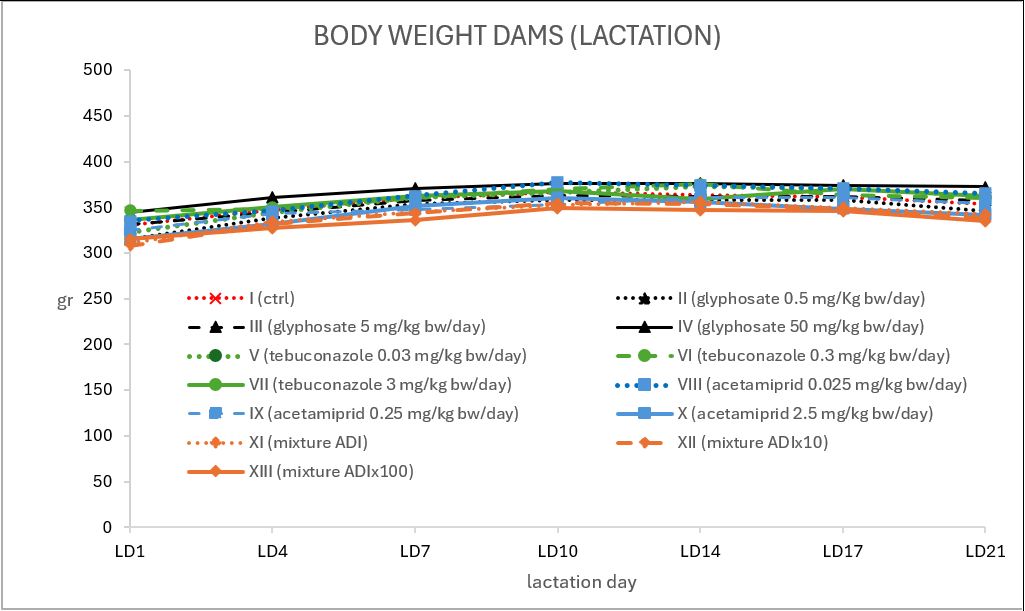
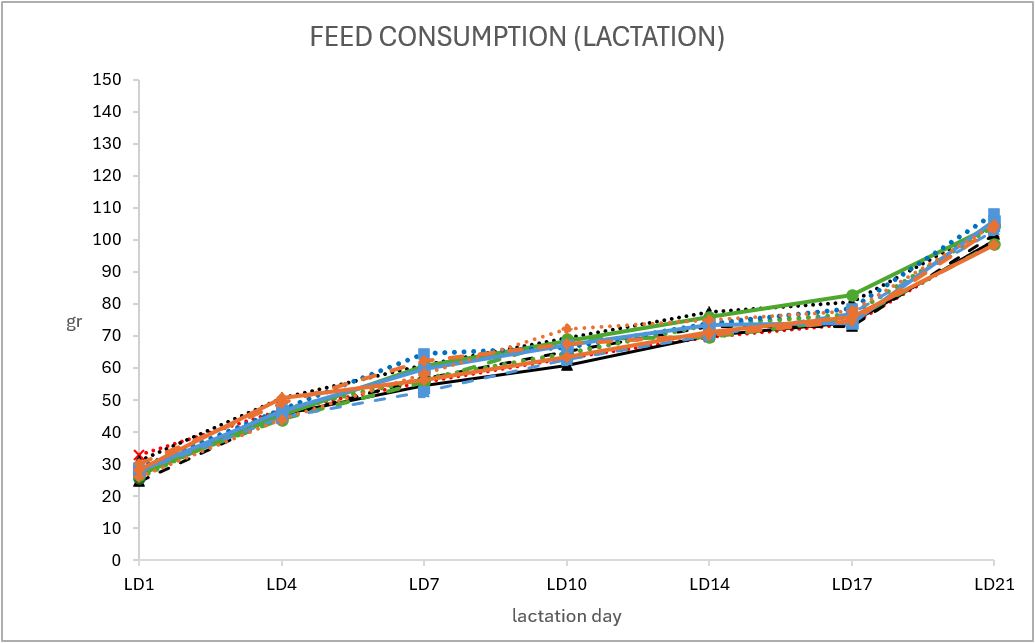
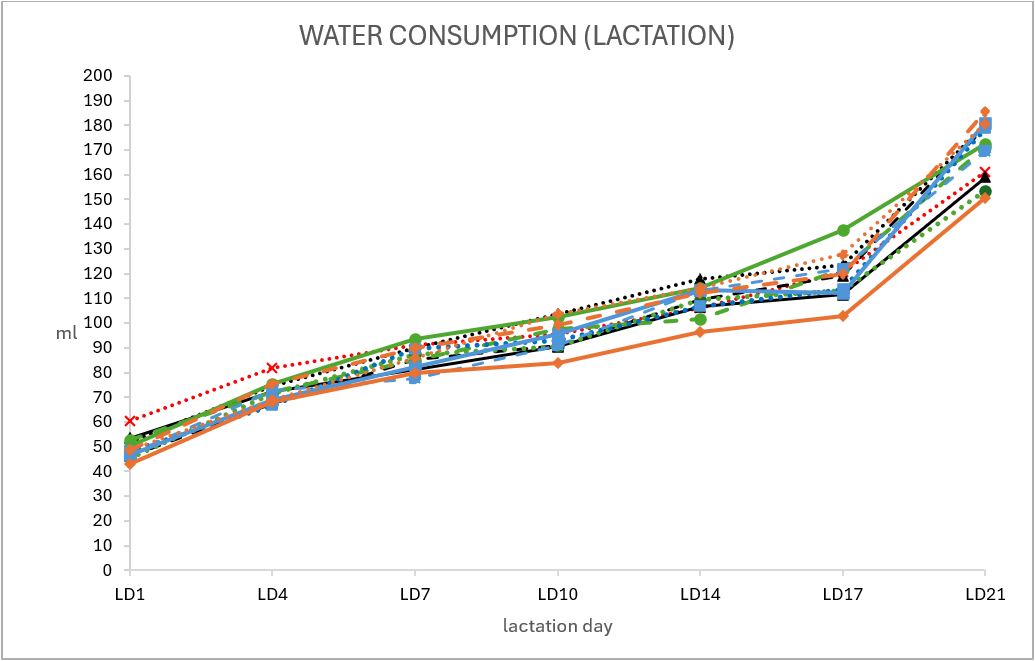
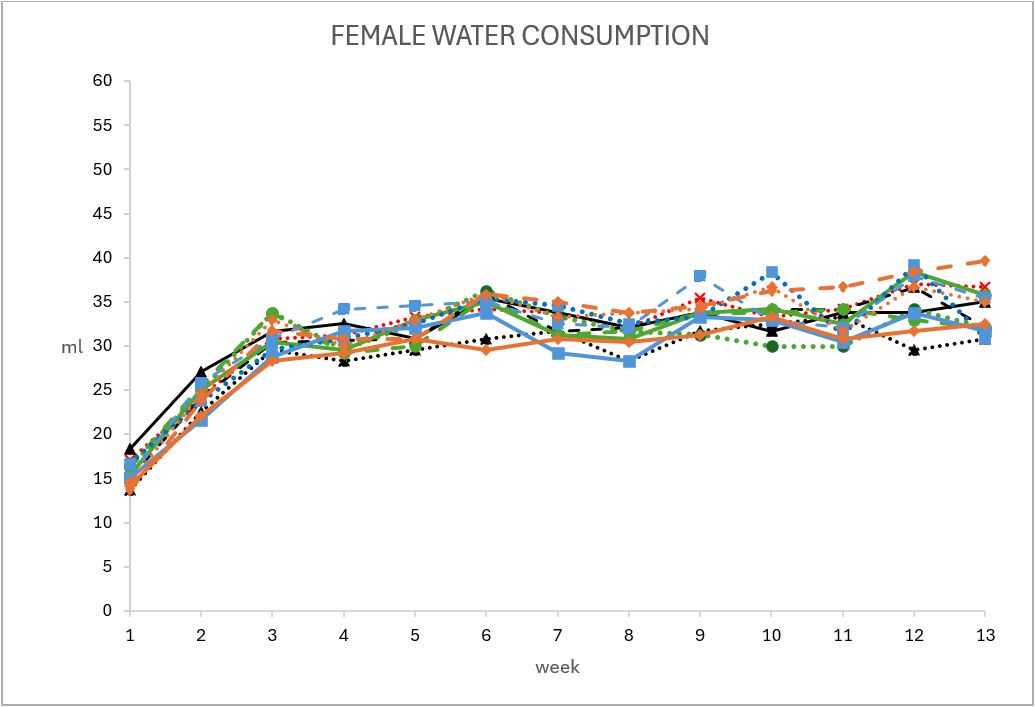
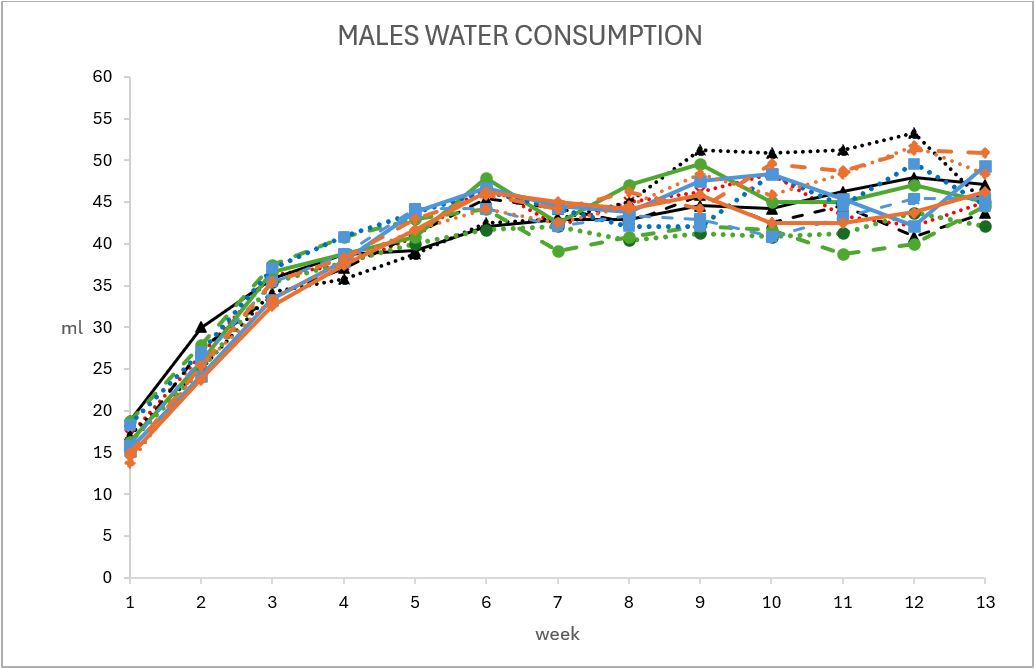
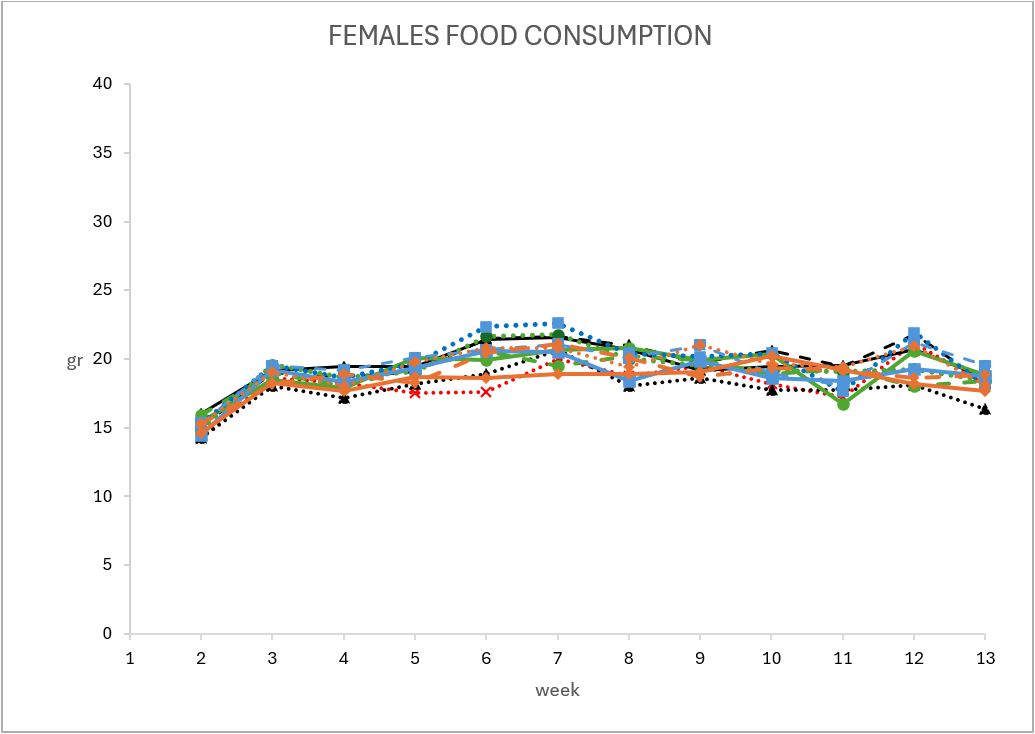
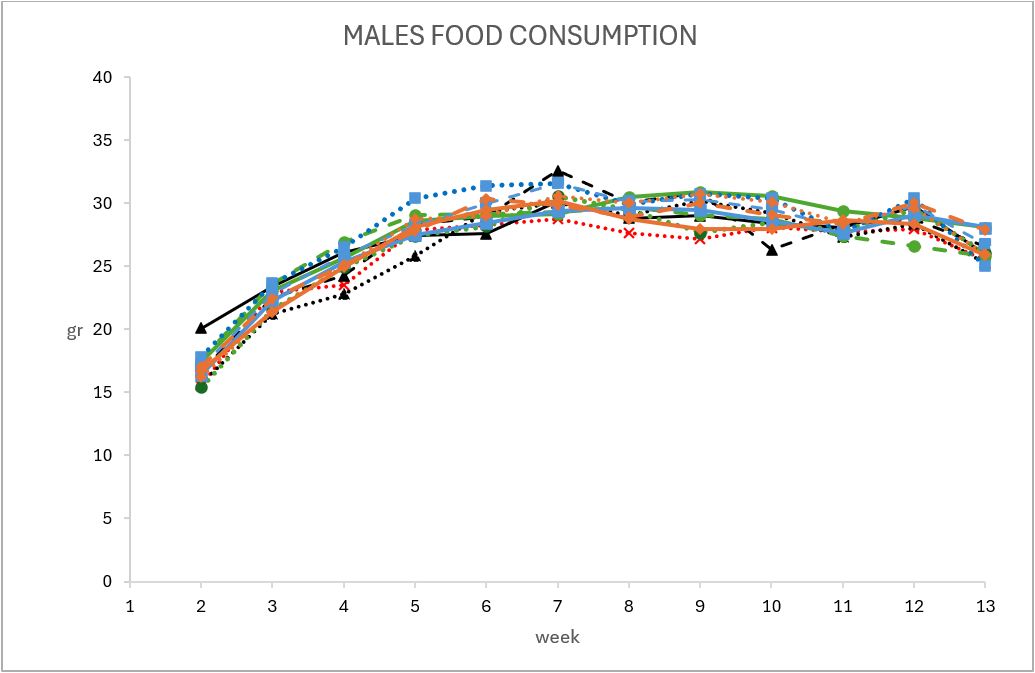
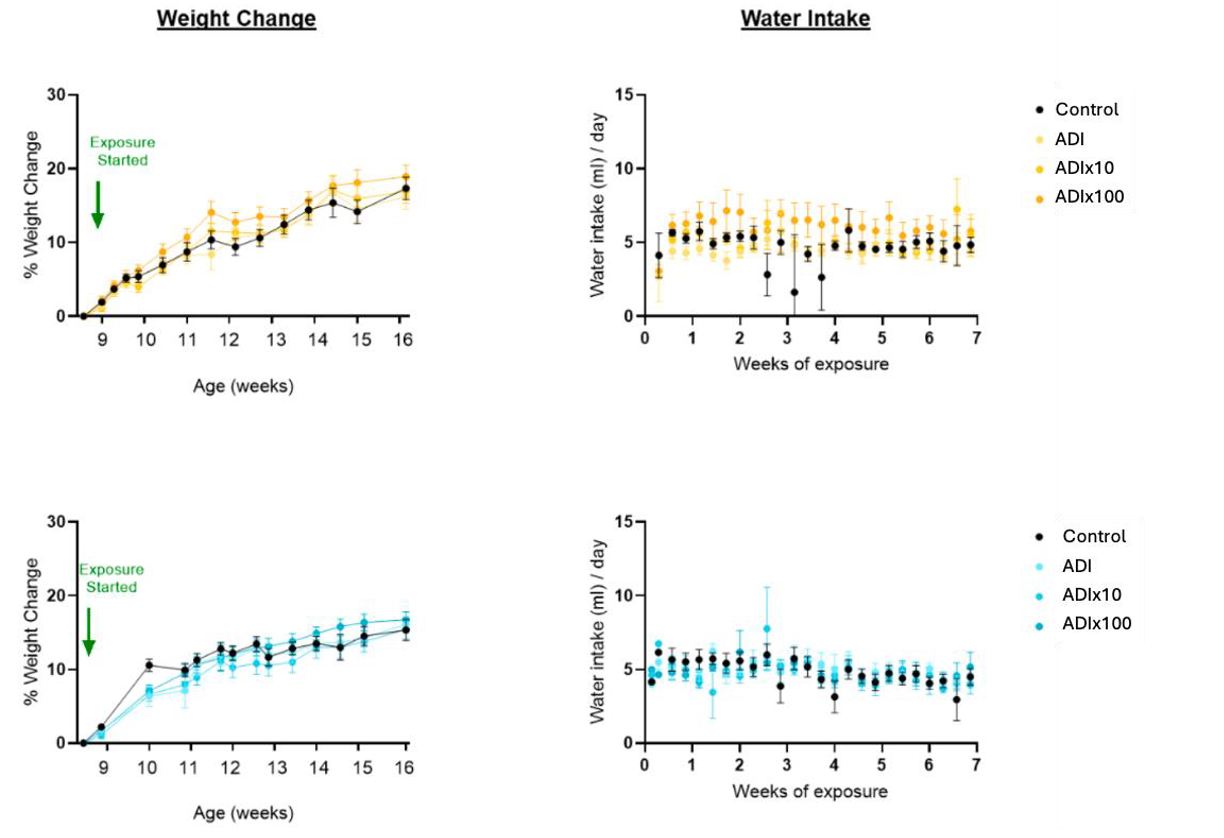
The gestational lengths were very homogeneous among groups. Throughout the gestation and lactation period, body weight, food and water consumption was not affected by the treatment. Also post weaning in vivo end points were homogeneous.
Gestation
Lactation
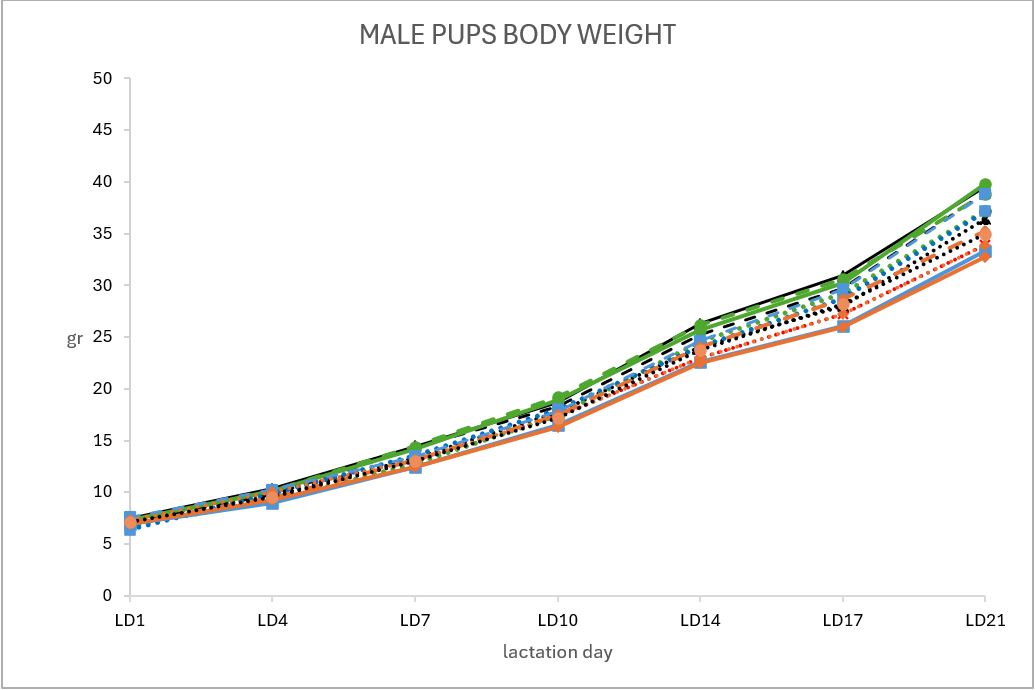
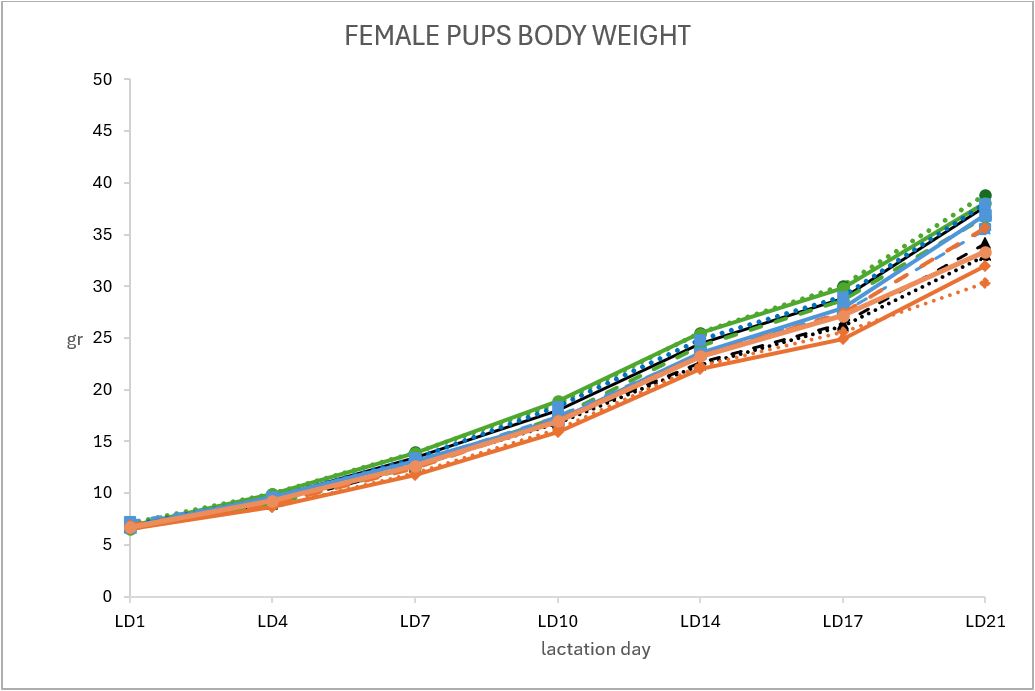
Post-weaning
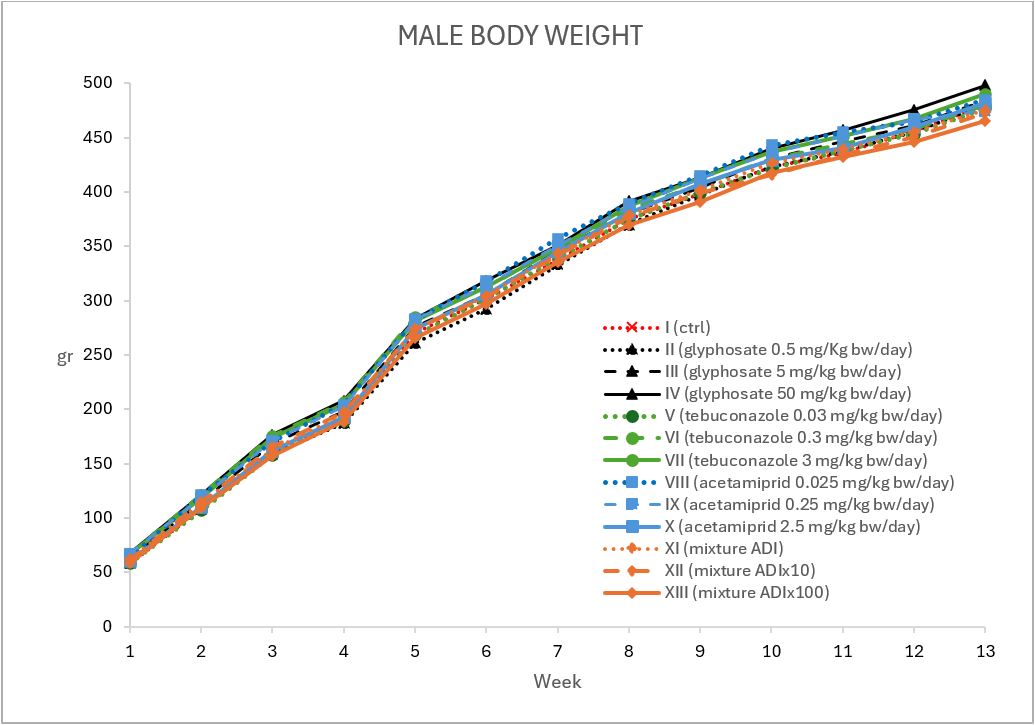
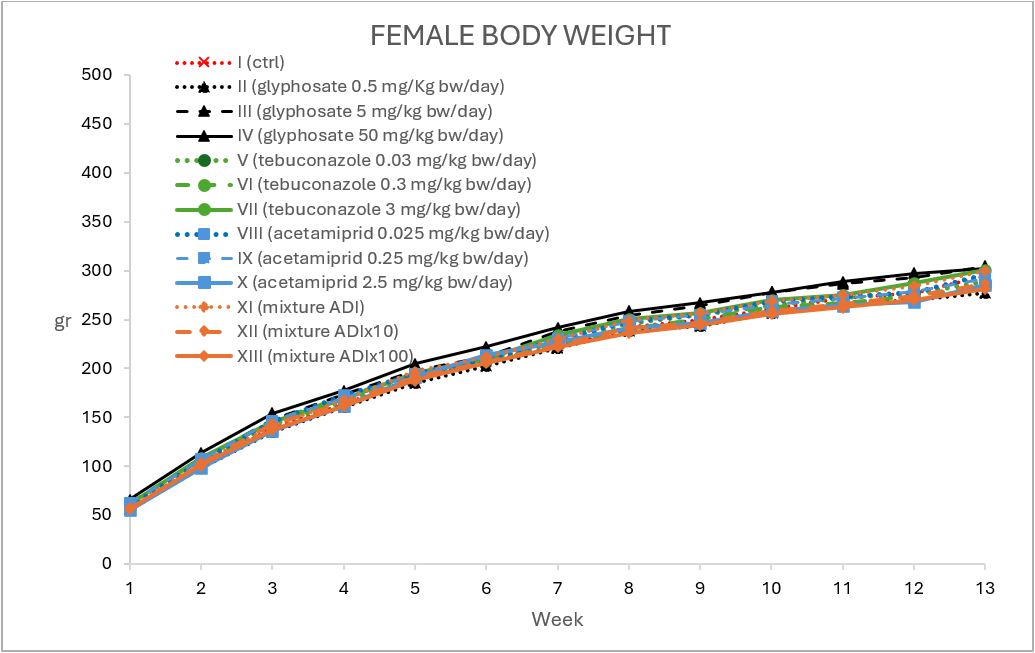
Sexual maturation Indexes
Vaginal Opening: A statistically significant anticipation of day of occurrence of sexual maturation in treated females was detected in almost all treated groups.
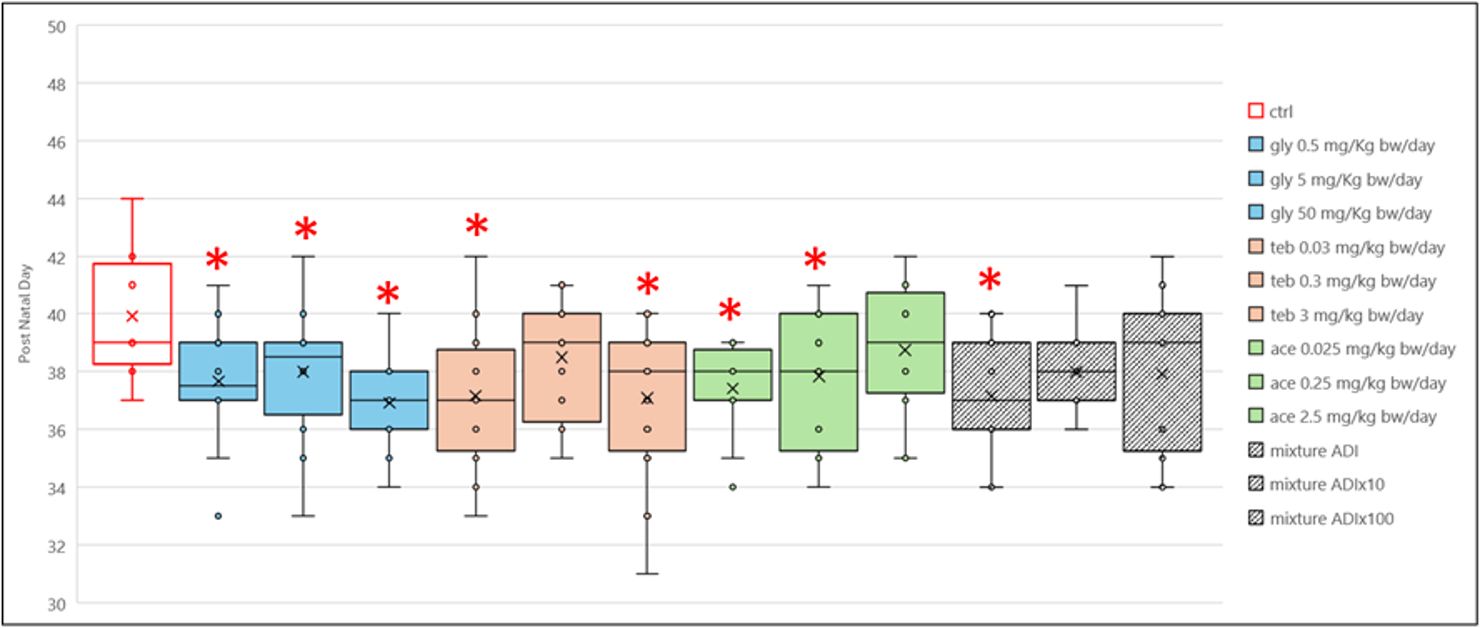
A statistical significance anticipation of day (PND) of occurrence of sexual maturation in females was detected (* statistically significant with Dunn’s test) . No significant difference between weights at VO was observed.
Balano-Preputial Separation: A statistical significance anticipation of day of occurrence of sexual maturation in males was detected only in some groups without a clear dose response ascribable to the treatment.
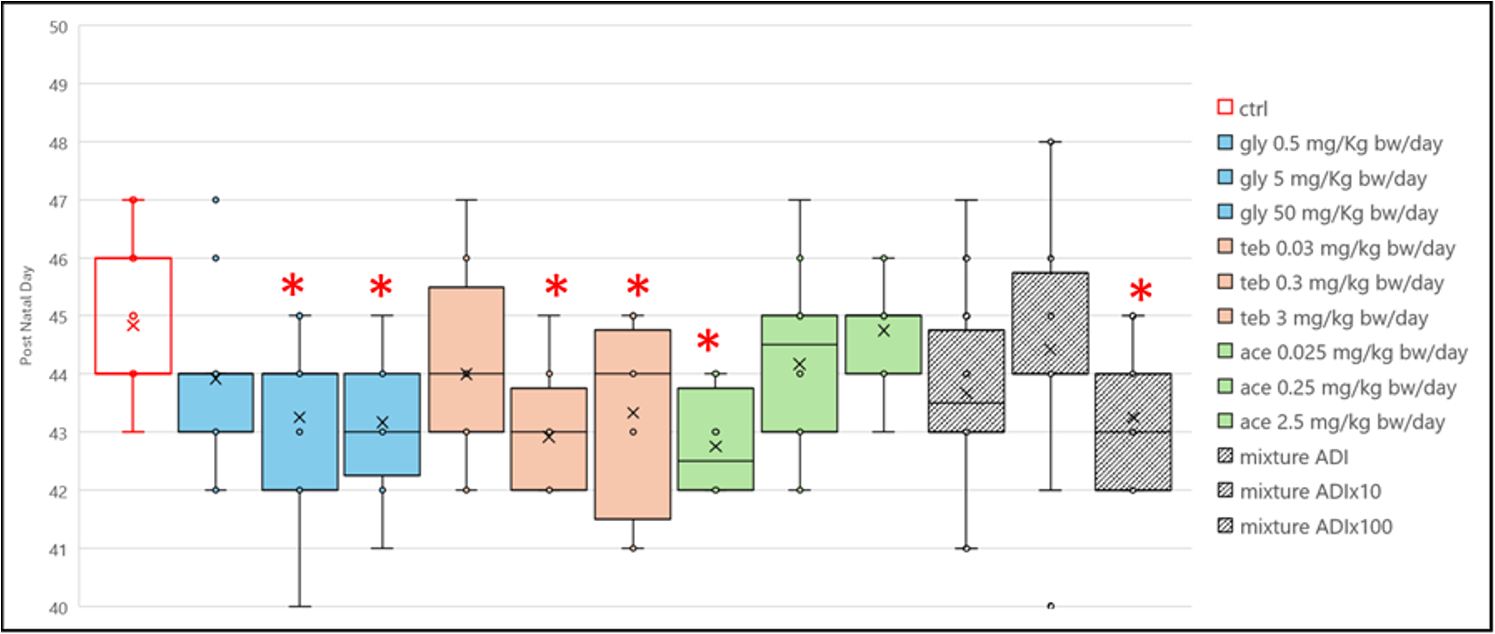
A statistical significance anticipation of day of occurrence of sexual maturation in males was detected (* statistically significant with Dunn’s test). no significant difference between weights at BPS was observed.
Clinical chemistry: In males and females, statistically significant increase in Aspartate aminotransferase (AST) concentration in all the treated groups, compared to the mean value of the control group.
Increase concentration in all the treated groups compared to the mean value in the control group (* statistically significant with Dunn’s test) 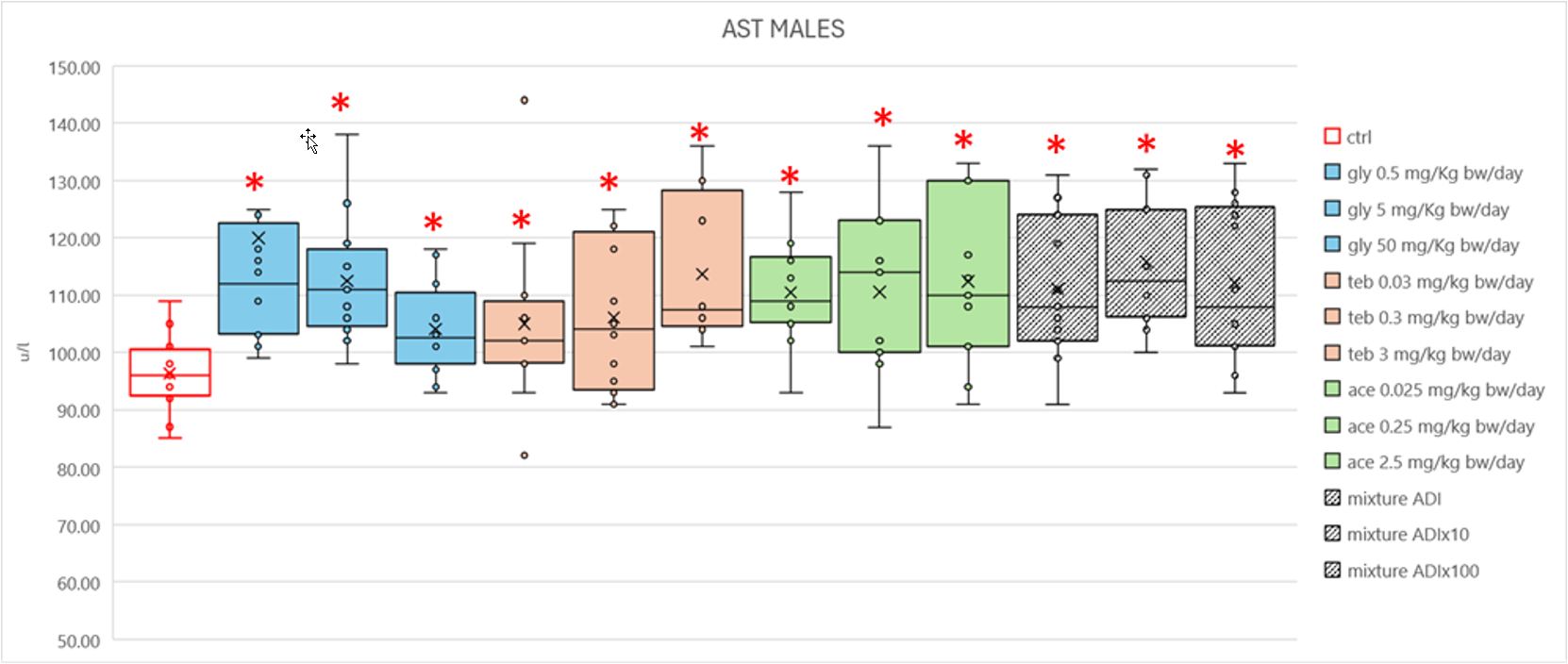
Histopathology
Statistically significant increase in trend was observed in the male glyphosate and acetamiprid treated group for lesion related to the circulatory system. In the acetamiprid intermediate dose one animal bearing circulatory system lesion died spontaneously before terminal sacrifice at 12 weeks of age.
In tebuconazole treater groups an excess of lesion related to exocrine pancreas was observed in the high dose group (25%).
Increased incidence in male genital lesions (17%) in the mixture treated groups was observed .
In tebuconazole treater groups an excess of lesion related to exocrine pancreas was observed in the high dose group (25%). Increased incidence in male genital lesions (17%) in the mixture treated groups was observed.
Considering all together the 3 dosed for each treatment an increase in incidence of genital system lesions was observed in male, while no cases were detected in the control groups. Lesions of testes and annex considered are inflammation, fibrosis, tubular degeneration and mineralization from mild to severe degree.
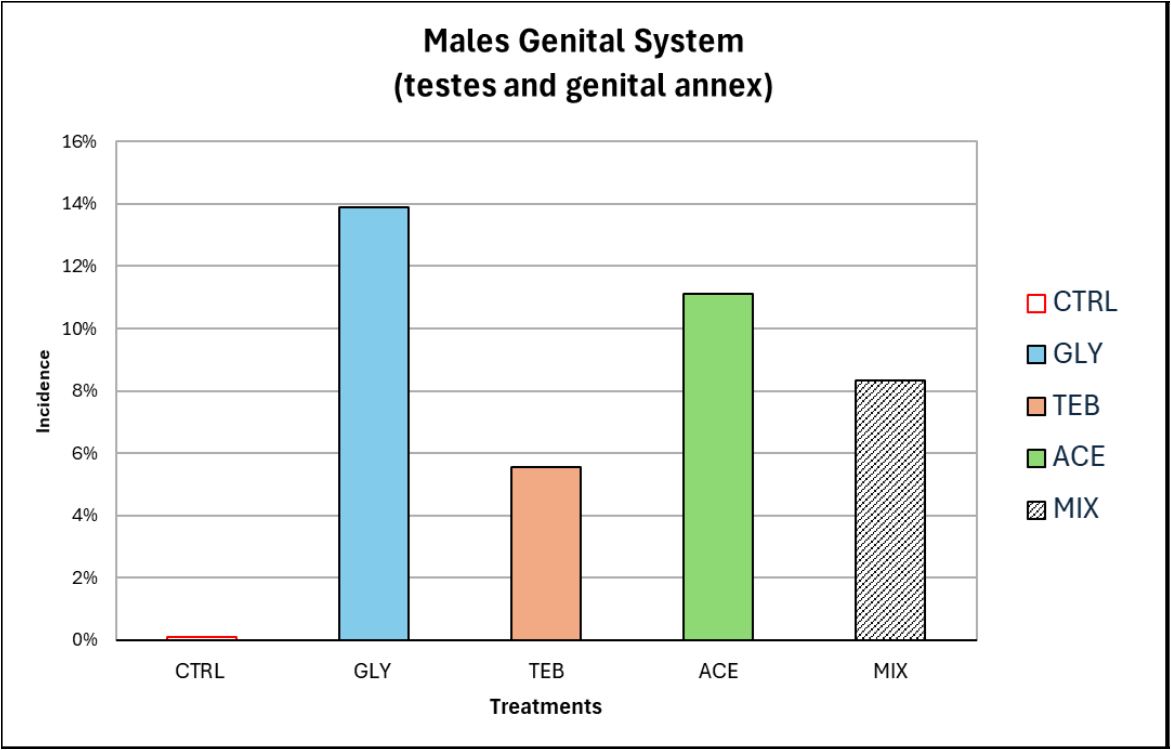
In female no statistically significant increase in incidence of lesions per organ site was observed.
Notably in female glyphosate low dose group and in the tebuconazole intermediate dose one case of leukemia was observed, at histopathological examination, at the end of the treatment. This is a rare lesion, observed at 17 weeks of age (terminal sacrifice), that was previously observed at similar age only in a study on pesticides (Panzacchi et al. 2025), where the first treated animal died with leukemia was around 20 weeks of age (never observed in historical Sprague-Dawley rats historical control).
MICROBIOME AND BEHAVIOURAL STUDIES IN MICE
Aims
Behavioural tests were conducted in C57BL/6 mice to evaluate cognitive performance, social behaviour, anxiety and depressive-like behaviour, and stress susceptibility.
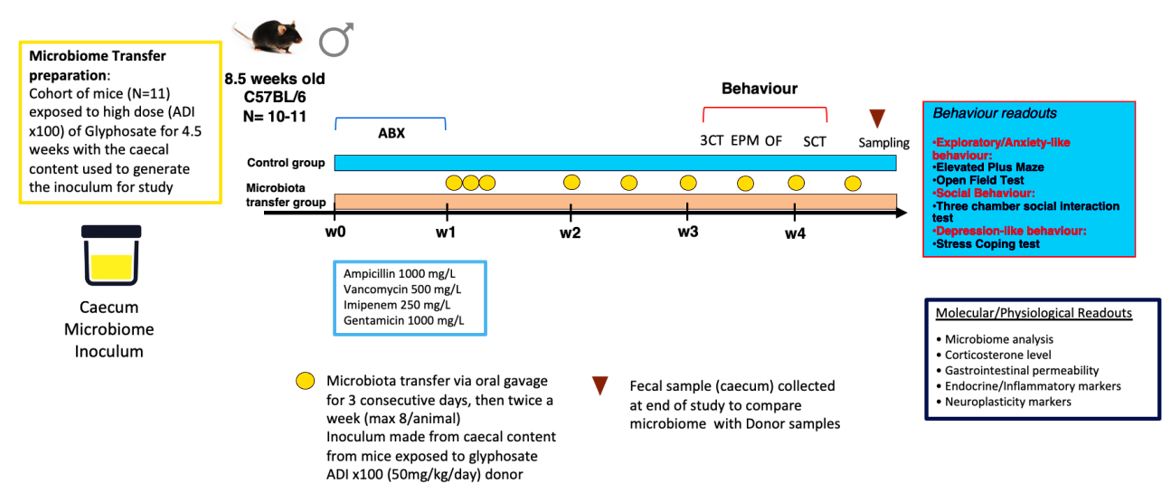
We hypothesise that ecologically relevant low-dose glyphosate exposure will alter gut microbiota composition, leading to behavioural impairments. The causal impact of such effects was investigated using the microbiota transfer technique to provide a comprehensive understanding of the dose-dependent effects of pesticide-induced microbiota disruptions.
Methods
Animals behaviour tests
For the behavioural study, both male and female C57BL/6 mice (n = 43 per sex; 7.5-8.5 weeks of age at the beginning of glyphosate treatment) were used.
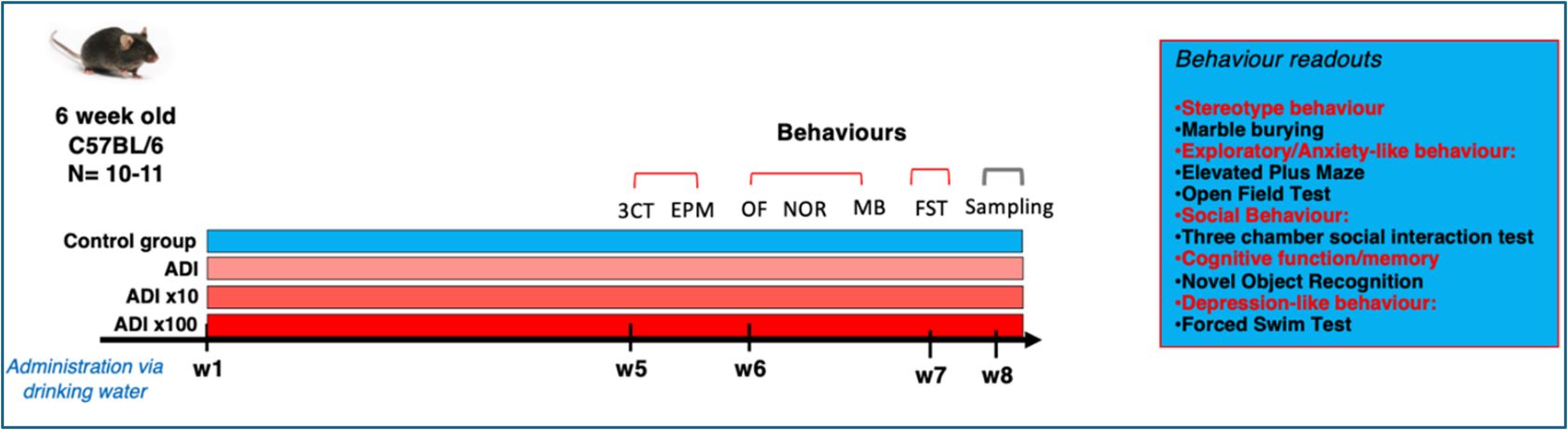
Each pesticide (glyphosate, tebuconazole and acetamiprid) was administered via drinking water for a duration of 7 weeks at ADI, ADIx10 and ADIx100 levels.
For the glyphosate study, a solution was prepared to achieve target level of 0.5 (ADI), 5 (ADIx10), 50 (ADIx100) mg/kg/day. For the follow-up glyphosate caecal microbiota transplant study, donor mice received either control or ADIx100 (50 mg/kg/day) for 4.5 weeks.
Tail blood samples were collected prior to and every 30 minutes until 2 hours following the stress coping test, to measure the corticosterone response following the acute stress. Plasma corticosterone was analysed using ELISA kit.
Behavioural tests were conducted in the order of least to most stressful:
- Three-chamber test (3CT, social): This test assesses social cognition such as social preference and social novelty preference.
- Elevated plus maze (EPM, anxiety): This test assesses anxiety-like behaviour, based on the time mice spent on the open and closed arms of the plus maze.
- Open field test (OFT, anxiety): This test assesses locomotion and anxiety-like behaviour, based on the time mice spent in the centre.
- Novel Object Recognition Test: This test assesses hippocampal-dependent short-term recognition memory, based on the time mice spent with familiar and novel inanimate objects.
- Marble burying test (stereotypical behaviour): This test assesses compulsive, stereotypic and anxiety-like behaviours in mice.
- Stress coping test (stress): This test assesses the stress coping behaviour.
Caecal Microbiota Transplant (Glyphosate only, males)
For the glyphosate caecal microbiota transplant study, the recipient mice were randomly assigned to a specific donor and received their respective microbiota transplant.
Molecular analysis
DNA & RNA Extraction
DNA was extracted from endpoint faeces; for the microbiota transplantation study, DNA was extracted from caecal microbiota transplant inoculums (donor) and endpoint caecal content (recipient). Total RNA was extracted from ileum, colon and left amygdala.
Quantitative Real-Time PCR
For qRT-PCR, complementary DNA was synthesised from extracted RNA. Genes were selected based on their role in gut barrier functions, with Gapdh (ileum and colon) and ActinB (recipient, left amygdala) as a housekeeping gene.
Amygdala Transcriptomic Analysis
RNA samples were quantified and RNA integrity was checked. The sequencing libraries were multiplexed and clustered onto a flow-cell; the samples were sequenced and base calling were conducted. Raw sequence data was converted into fastq files and de-multiplexed. Reference annotation of Mus musculus (organism) was used to perform reference genome of obtained sequences.
First, principal component analysis (PCA) was performed, then target differential gene expression analysis was conducted. Different abundance analysis was performed by fitting linear models in the CLR-transformed values.
Gut Microbiome Profiling Using Whole Genome Sequencing (glyphosate [males & females], tebuconazole, acetamiprid
FASTQ files were quality checked, samples were decontaminated from reads aligning to the human host and the remaining reads were aligned to bacterial genomes available in the web of life (WoL) database. Taxonomic and functional profiles of the communities were generated; the functional profile of the analysed samples was then analysed to annotate gut-brain modules.
Gut Microbiome Profiling Using 16S Sequencing (caecale microbiome transplant study)
FASTQ files with raw sequences were analysed to construct a count table of amplicon sequence variants. The functional profile of the analysed samples was then analysed to annotate gut-brain modules.
Bioinformatics - Gut Microbiome Analysis
Downstream statistical analysis was performed. Alpha diversity metrices were calculated, statistical differences of alpha diversity metrics between experimental groups were calculated. To test differences in beta diversity between groups, a PERMANOVA test was used. Differential abundance analysis of taxa and gut-brain modules was performed by fitting general linear models on the CLR-transformed count tables.
Results
Glyphosate
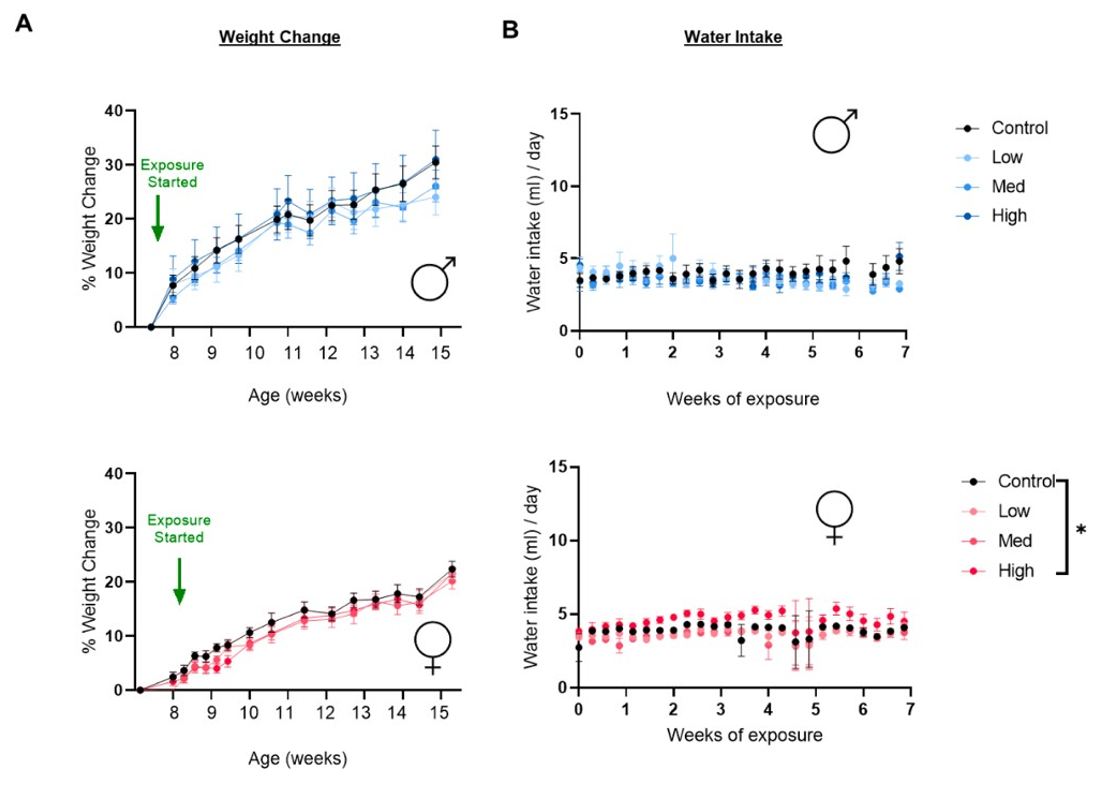
Glyphosate exposure was relatively well tolerated by both male and female mice. Plasma corticosterone levels showed no differences in physiological stress responses across treatment groups for either sex.
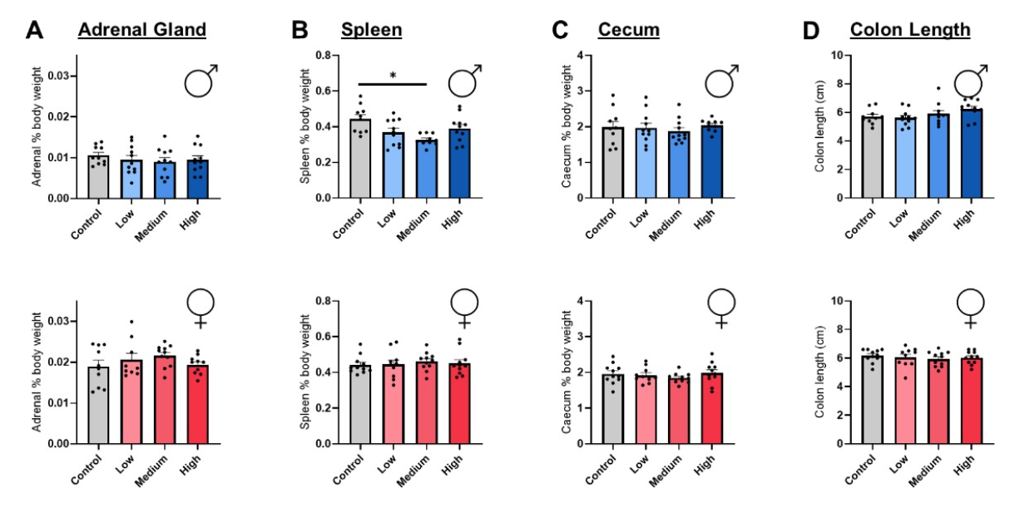
In males, exposure was associated with minor changes in organ weights.
Brain, Behaviour and microbiome data:
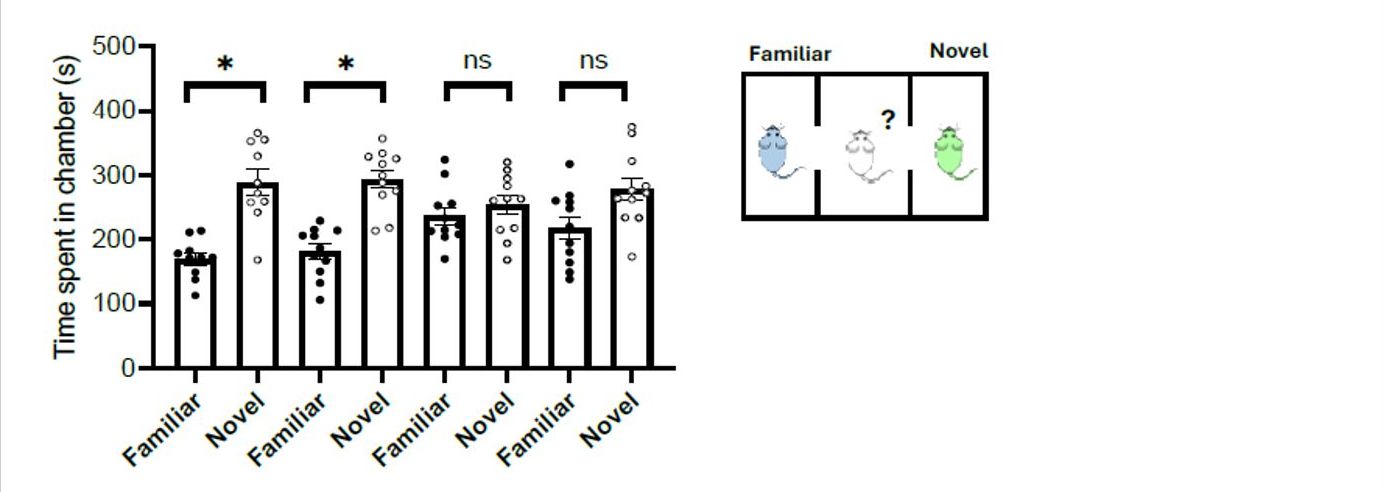
A disrupted social novelty preference due to glyphosate exposure was observed in males, while this effect on social behaviour was not found for females.
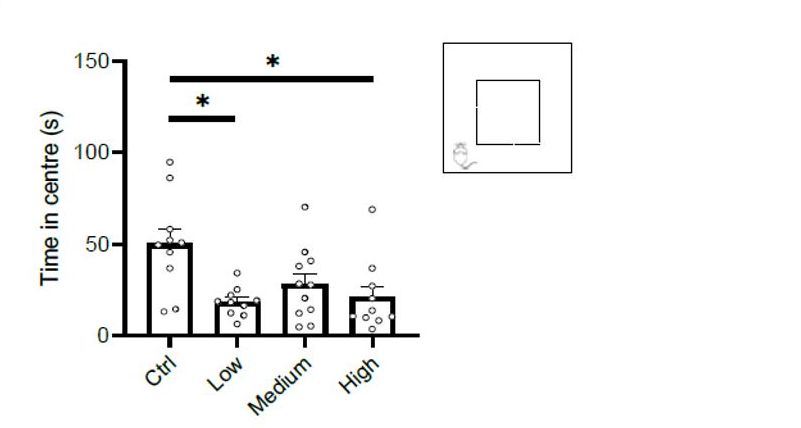
There was no significant impact on anxiety-like behaviour observed in the EPM behavioural test for males, while In the OFT heightened anxiety levels for low and high dose were observed in males.
No other exposure-dependent behavioural impairments were observed for males in glyphosate exposure study.
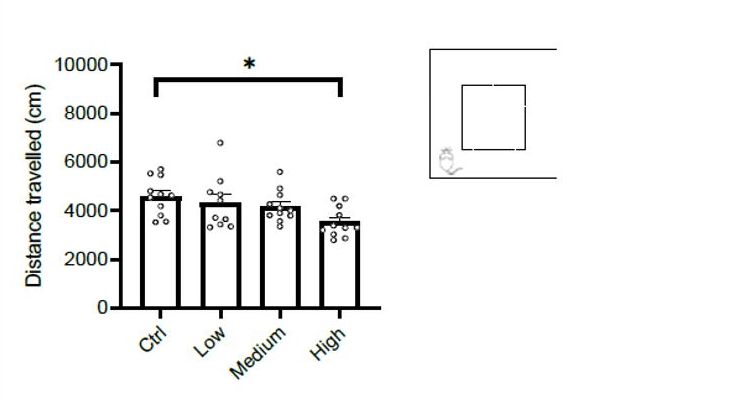
For the OFT, a decrease in locomotion was observed only in the high-dose group in females.
Glyphosate exposure exerted subtle effects on the male gut microbiota: alpha diversity showed no significant differences across treatment groups for males or females;
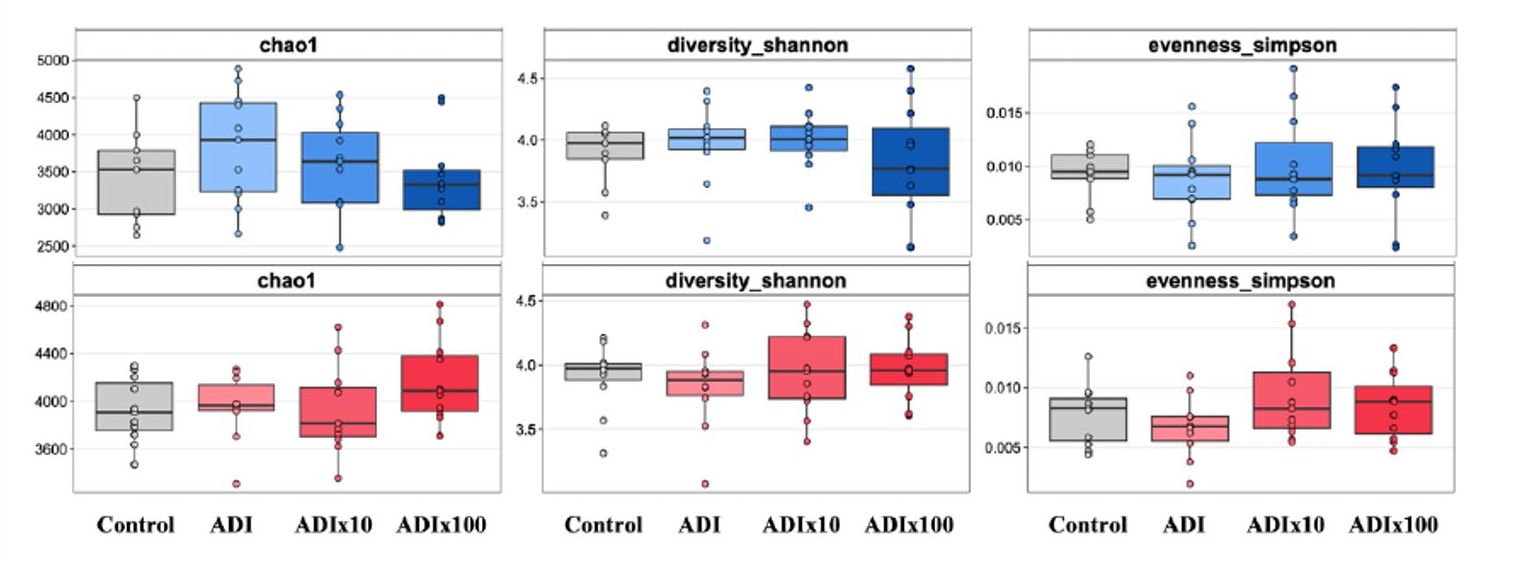
Conversely, beta diversity was significantly altered in males following exposure.
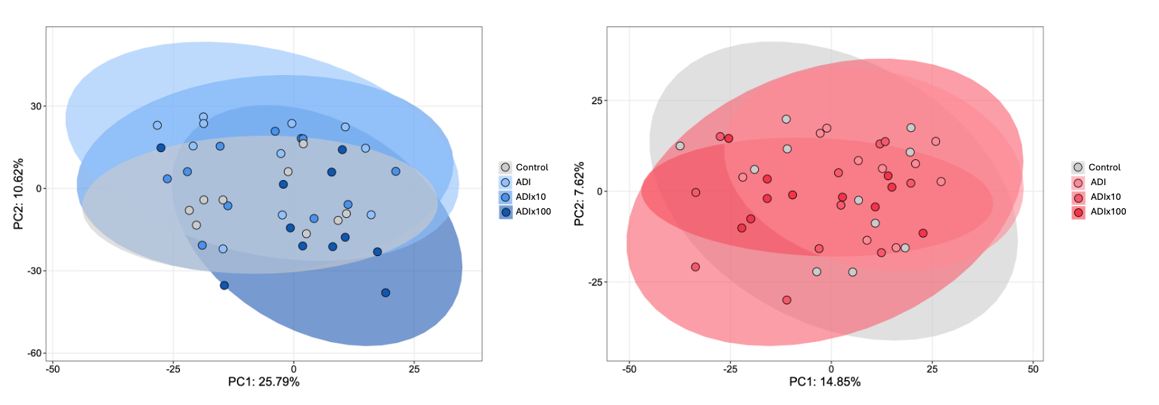
Despite this overall effect on community composition, there was an absence of significant differences in specific taxa abundance.
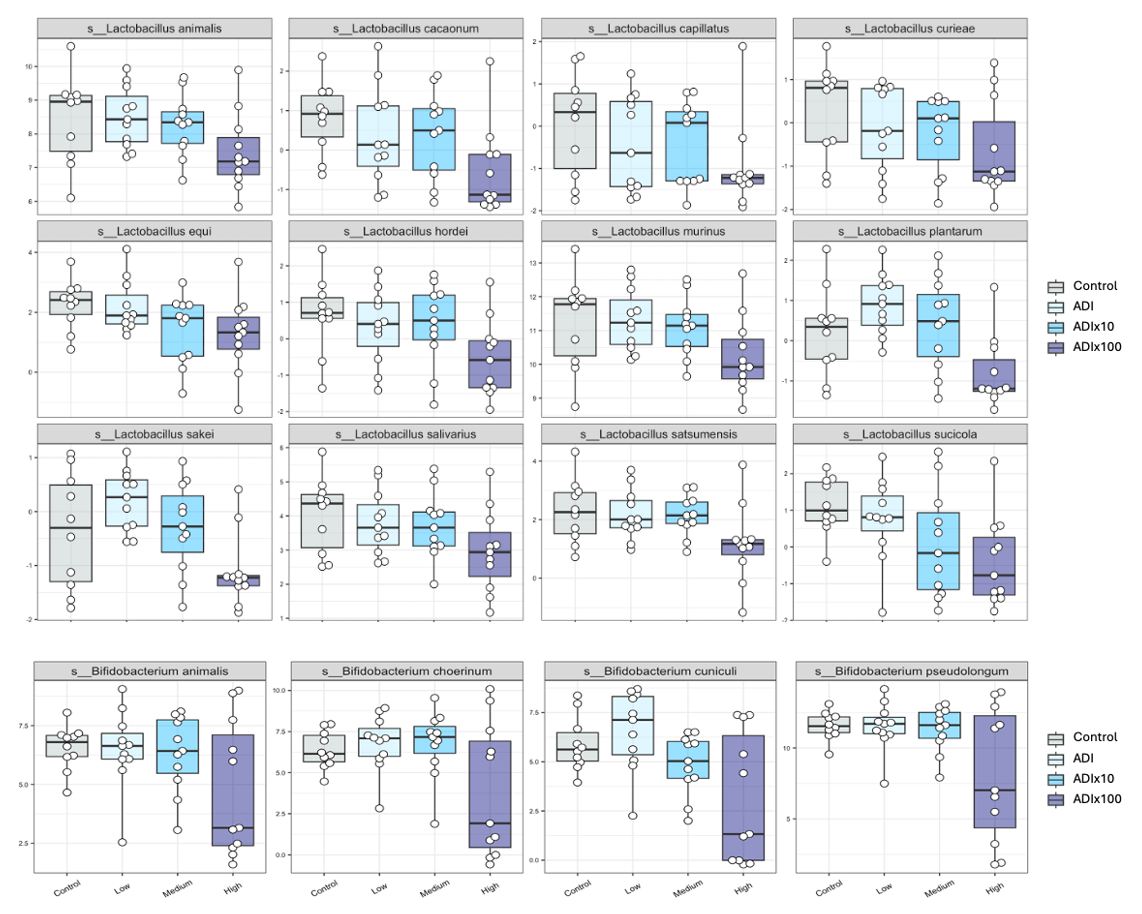
The direction of change was consistent across dosages: an increase in several Lactobacillus sp. in males (ADI and ADIx10 groups). However, High-dose exposure also resulted in a significant reduction of many Lactobacillus sp. and also a reduction of certain Bifidobacteria sp.
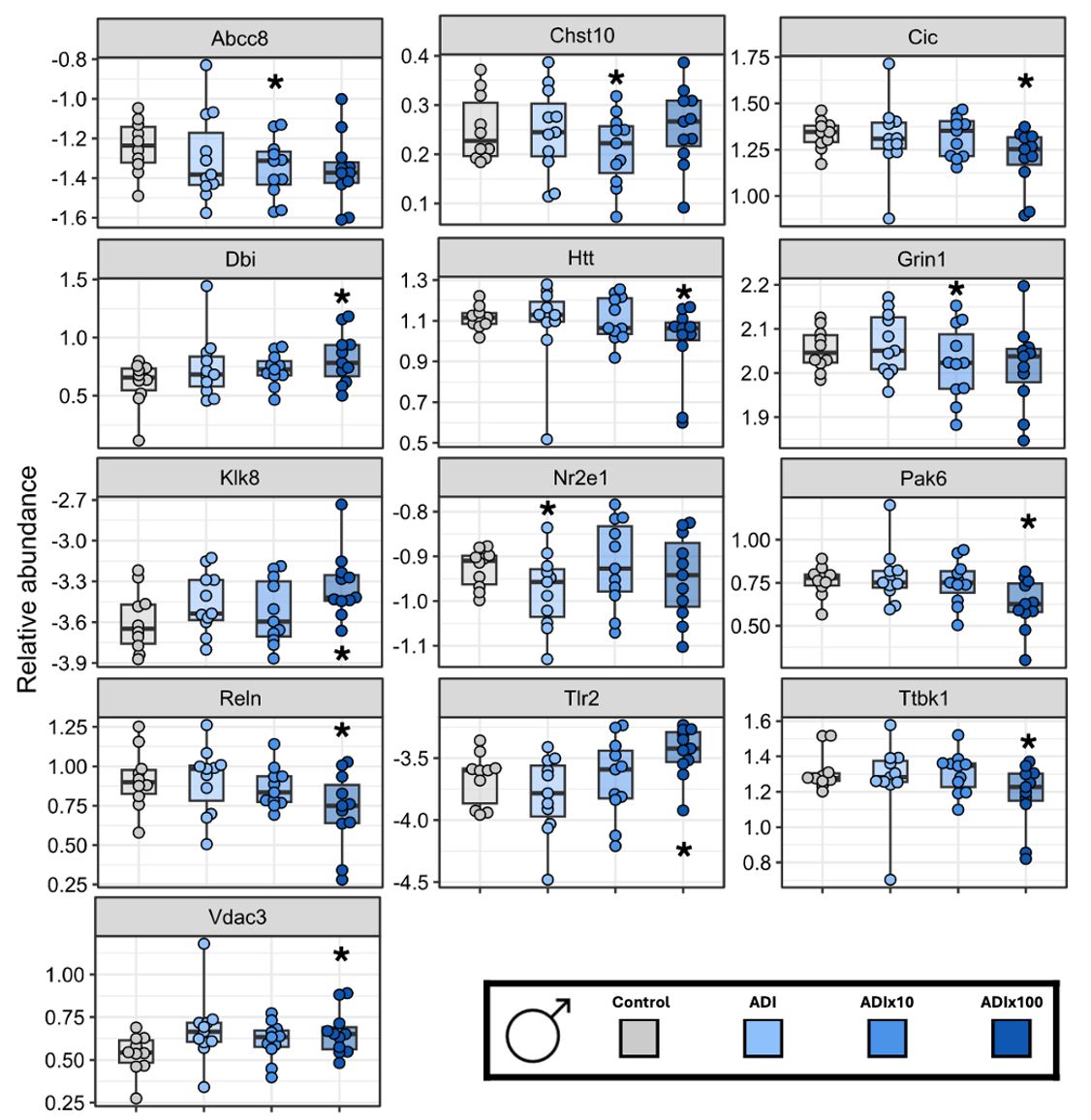
Considering the behavioural alterations noted in males, we hypothesised that transcriptional differences would occur in the brain. Transcriptomic analysis of the amygdala revealed subtle impacts of glyphosate exposure.
Although not statistically significant, a consistent decrease in taxa belonging to the genus Akkermansia across medium and high doses was also observed in females. No significant changes were observed in gene expression related to gut barrier function for females.
Overall, glyphosate exposure resulted in more pronounced behavioural impairments in males compared to females, who displayed slightly greater alterations in gut microbiota composition. These findings suggest that males and females respond differently to glyphosate exposure.
Microbiota Transfer study
The tests revealed that the disruption of social novelty preference persisted in glyphosate microbiota recipients, there was no evidence of a transfer of anxiety-like behaviour, and reduced locomotion compared to the control group was observed. No other behavioural differences were observed upon glyphosate exposure.
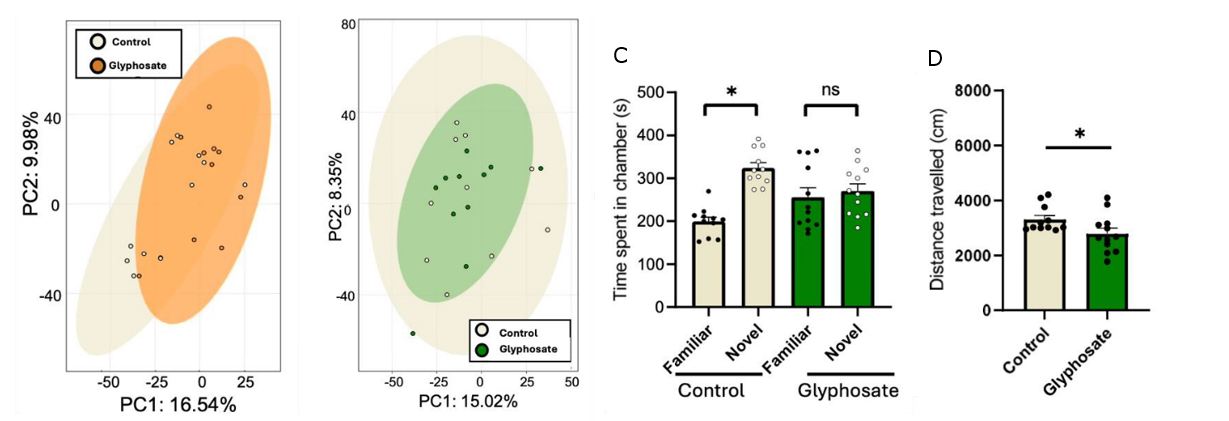
(A) Principal component analysis of donor beta diversity (Ellipse denotes 95% CI) (B) Principal component analysis of recipient beta diversity (Ellipse denotes 95% CI) (C) Social novelty preference behaviour (Paired t-test; * p < 0.05; mean ± SEM) (D) locomotion (t-test; * p < 0.05; mean ± SEM). n = 11-12 per treatment group
The microbiota transplantation from glyphosate-exposed donors had a modest impact on the composition and function of the gut microbiota in recipients: no significant alterations were observed in any alpha diversity indices.
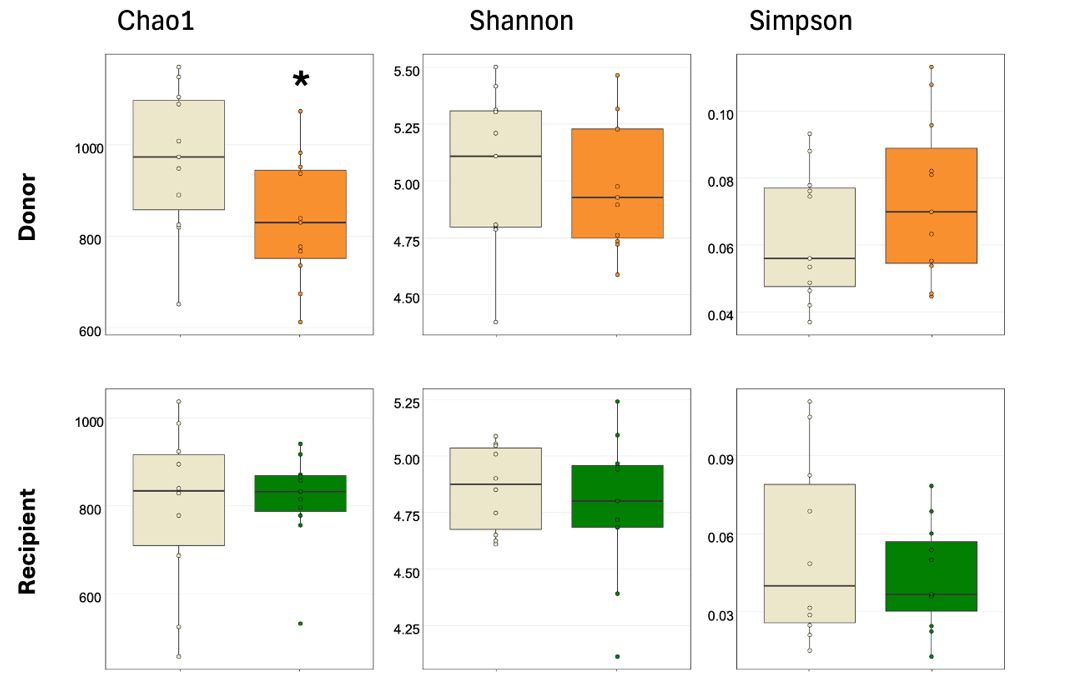
No significant differences in taxa abundance were observed in the recipients. Furthermore, predicted functional analyses revealed no significant alterations; however, there were changes in acetate synthesis and GABA synthesis, similar to the observations in the first study.
Taken together, the microbiota transplantation from glyphosate-exposed donors was sufficient to transfer only social behavioural impairments to glyphosate-naïve recipients.
Tebuconazole & Acetamiprid
Physiological data
Exposure was relatively well tolerated by both male and female mice. Plasma corticosterone levels showed no differences in physiological stress responses across treatment groups for either sex.
Behaviour and microbiome data
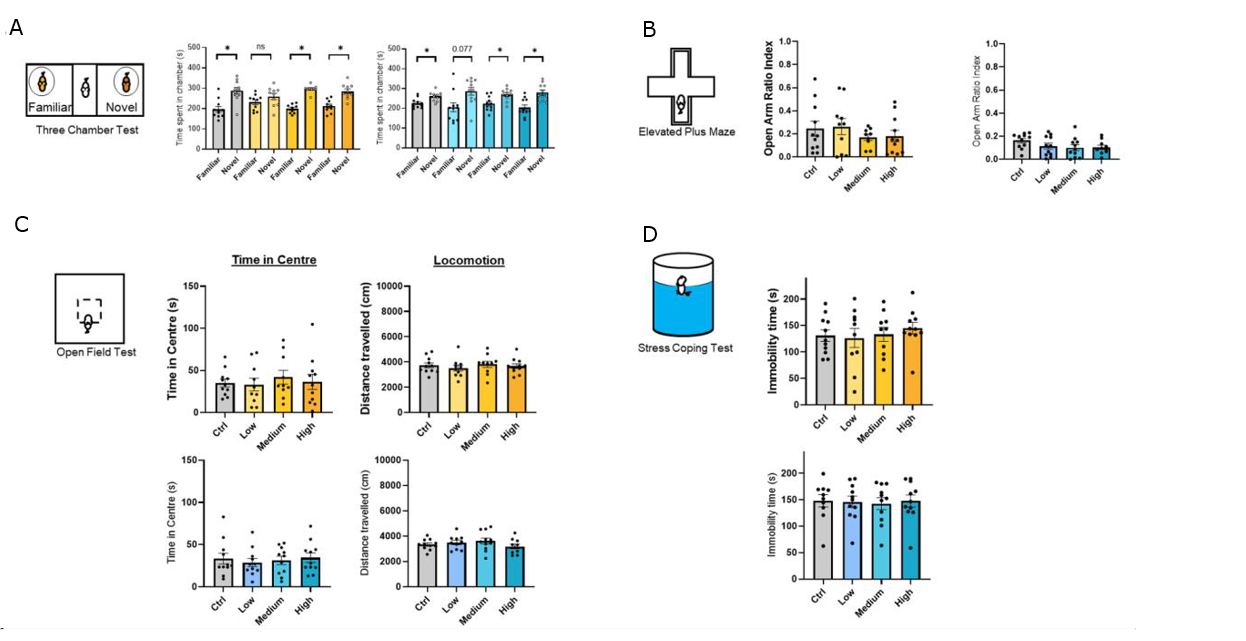
The behavioural test batteries results revealed only minor negative effects. A disruption in social cognition, evidenced by a diminished preference for social novelty, observed exclusively in the low-dose groups for both pesticides
Alpha diversity analyses showed no significant changes across treatment groups. However, beta diversity analyses shifts, indicated significant separation between the control and tebuconazole-exposed mice. No enduring effects of Tebuconazole exposure were detected at the level of differentially abundant taxa or functional potentials.
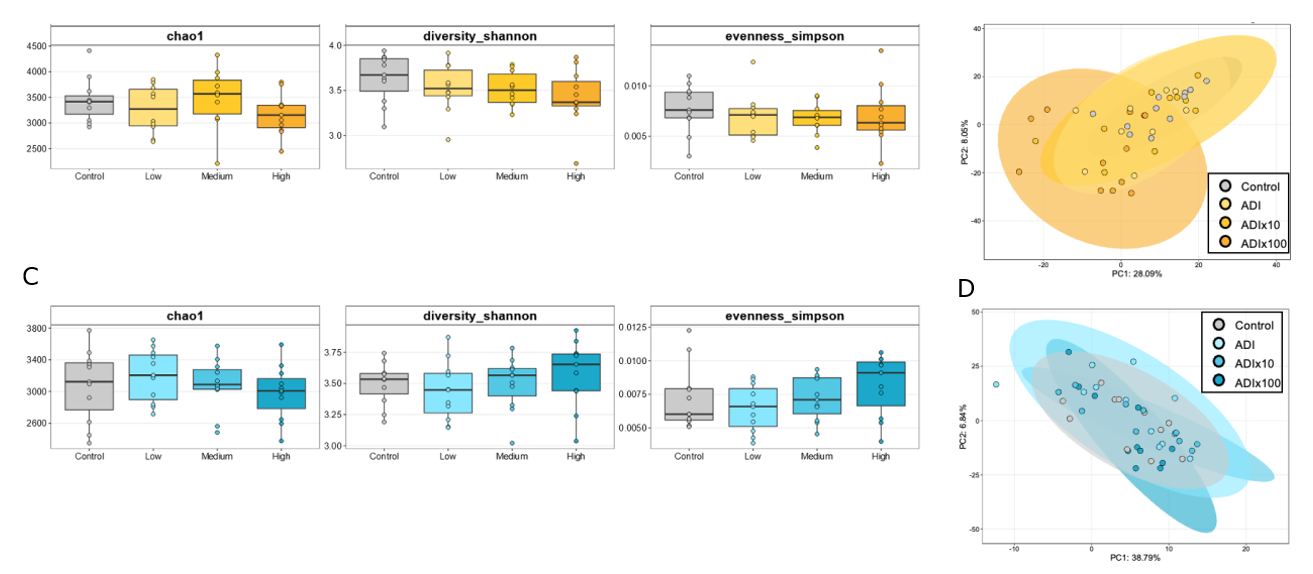
Taxa-level compositional analyses showed no significant differences among treatment groups. The analysis of gut-brain modules to evaluate alterations in the neuroactive potential showed no significant alterations, with beta estimates revealed several pathways potentially sensitive to tebuconazole exposure. These results suggest that low-dose exposure to tebuconazole induces subtle yet detectable disruptions in the microbiota, primarily marked by shifts in community composition, as well as predicted disruptions in short-chain fatty acids and tryptophan-related pathways.
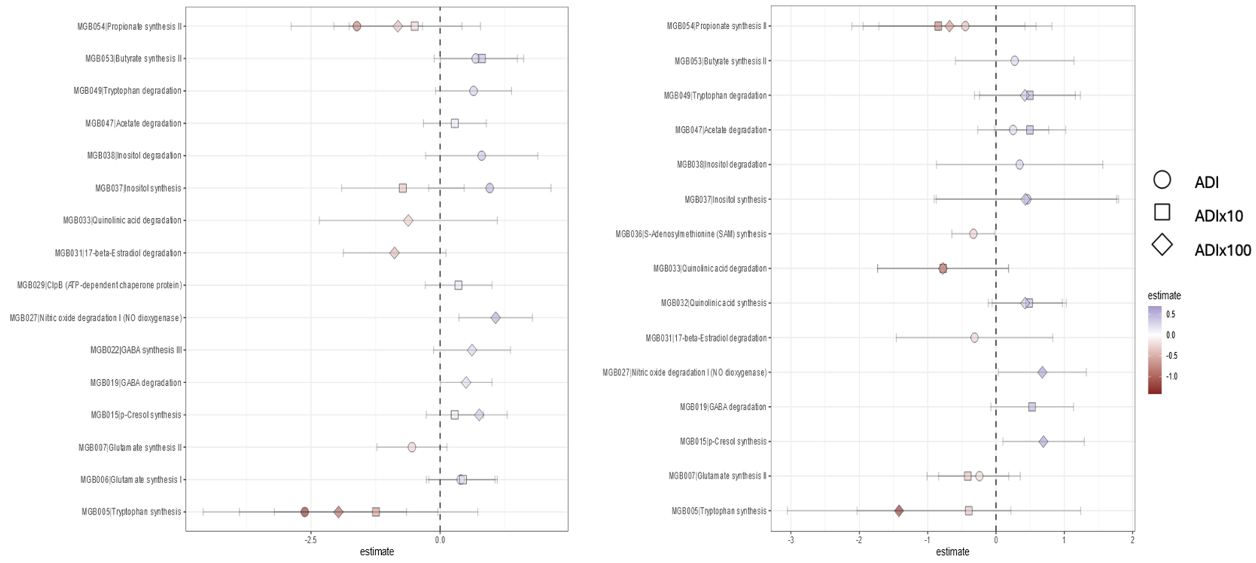
Gut barrier function data
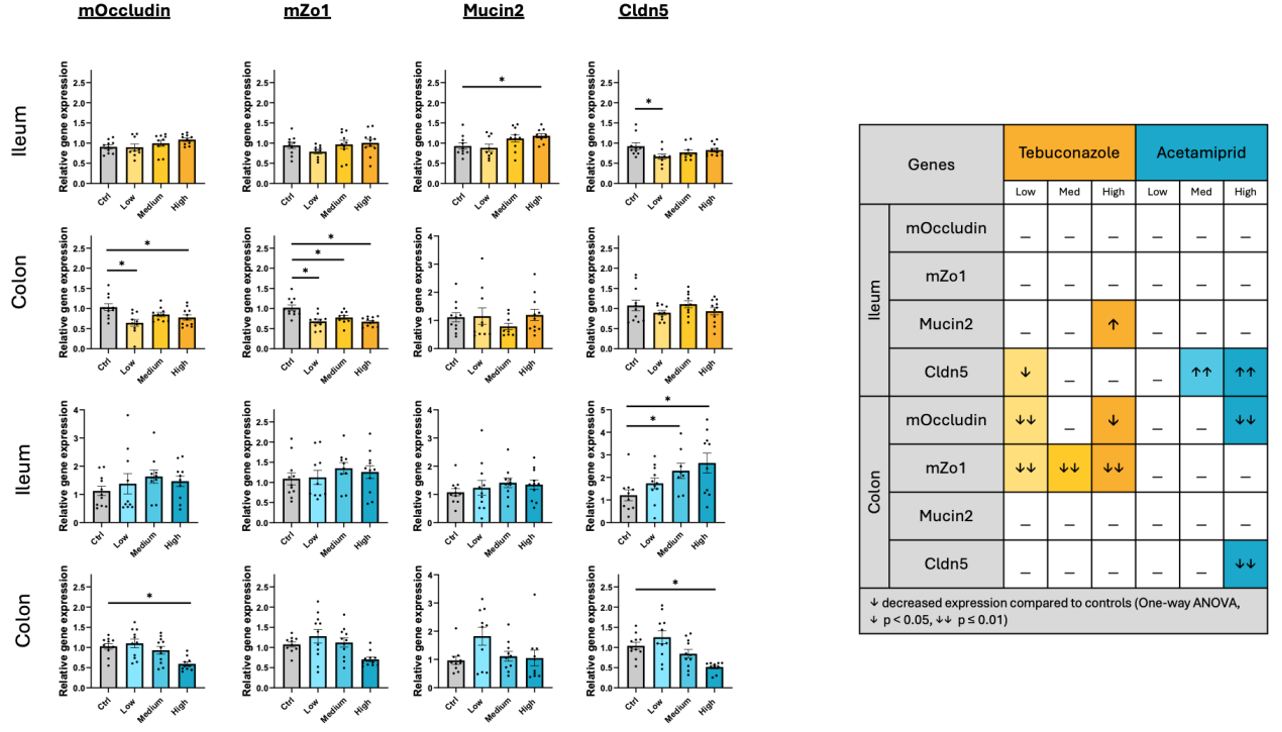
Gene expression related to gut barrier function in the ileum and colon was assessed. Transcriptional changes suggest that tebuconazole exposure may compromise gut barrier integrity in a region-specific manner, potentially influencing gut-brain communication.
Immune response data
While LPS stimulation failed to induce a marked immune response in MCP-1 and IL-1β levels, we observed a slight decrease in MCP-1 baseline levels following acetamiprid exposure. Unexpectedly, LPS stimulation of whole blood revealed no significant immune activation for TNF-α, IL-10 and IL-6, across all treatment groups. These findings suggest that the tested immune markers exhibit limited sensitivity to chronic pesticide exposure, indicating that immune dysregulation may not be a main target of the observed gut microbiota disruptions.
MICROBIOME EFFECTS IN RATS EXPOSED TO PESTICIDES FROM PRENATAL LIFE
Aims
Alpha diversity was investigated, which describes the diversity of species within a community, it is used to answer the question “how many?”. Beta diversity was investigated as well, which is a measure of similarity or dissimilarity of two or more samples. Furthermore, detailed taxonomic profiling was undertaken, for a holistic understanding of pesticide-induced microbial shifts. A critical aspect of this study lies in its evaluation of both individual pesticides and a mixture of pesticides.
Methods
The 3 pesticides involved, and the mixture were administered with drinking water to Sprague-Dawley rats, starting during prenatal life (Gestation day 6) until 13 weeks after weaning. Each test substance was administered at doses of Acceptable Daily Intake (ADI), ADIx10 and ADIx100
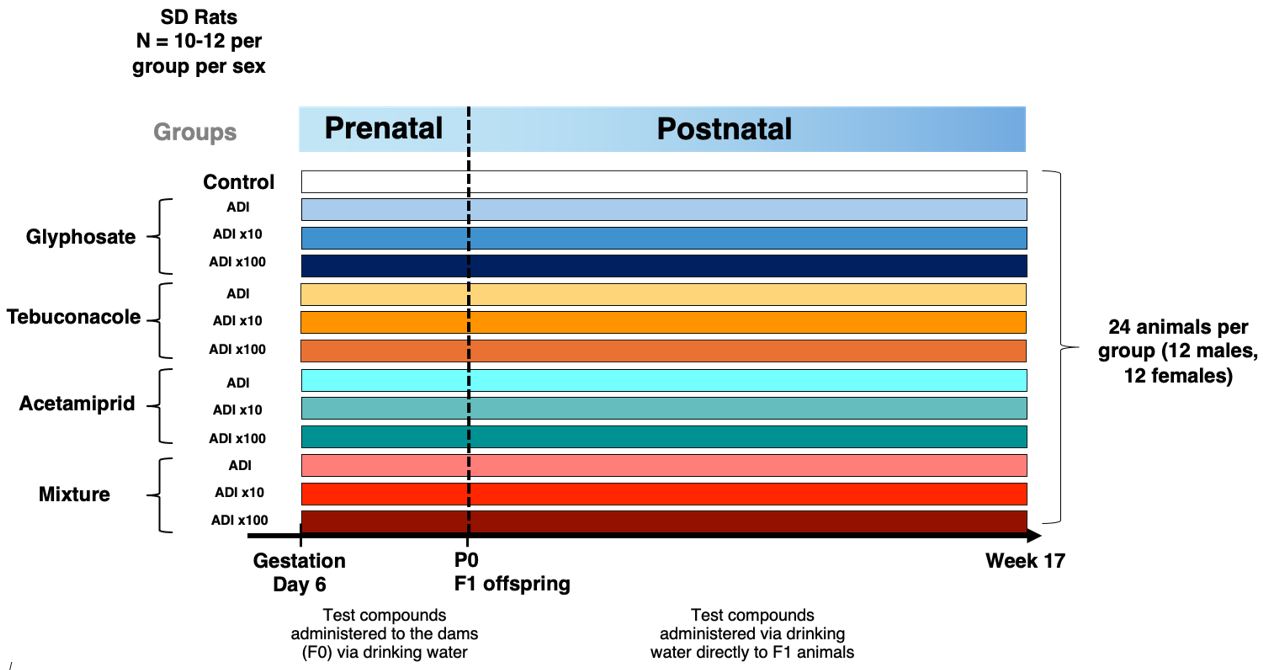
Molecular analysis
DNA extraction
DNA extraction from fecal samples was performed using a bead-based lysis method followed by column purification.
Gut Microbiome Profiling Using 16S Sequencing
16S metagenomics libraries were prepared using a miniaturisation protocol based on the 16S metagenomic library preparation guide.
Bioinformatics - Gut Microbiome Analysis
FASTQ files were processed in R to construct an amplicon sequence variant (ASV) count table up to the genus level, with custom parameter. Taxonomic assignment was conducted using the SILVA database. Functional inference of genomic content in terms of Enzyme Commission (EC) numbers was performed with PICRUSt2 to annotate gut-brain modules.
Gut Brain Module (GBM) analysis was performed to predict metagenome functional content from marker gene surveys and full genomes in the form of KEGG orthologues with GBMs calculated.
Results
This sample set was 305 animals. There were 333 distinct bacterial genera detected in these SD rat microbiome samples, with 67 distinct groups comprising the majority of taxa at genus level.
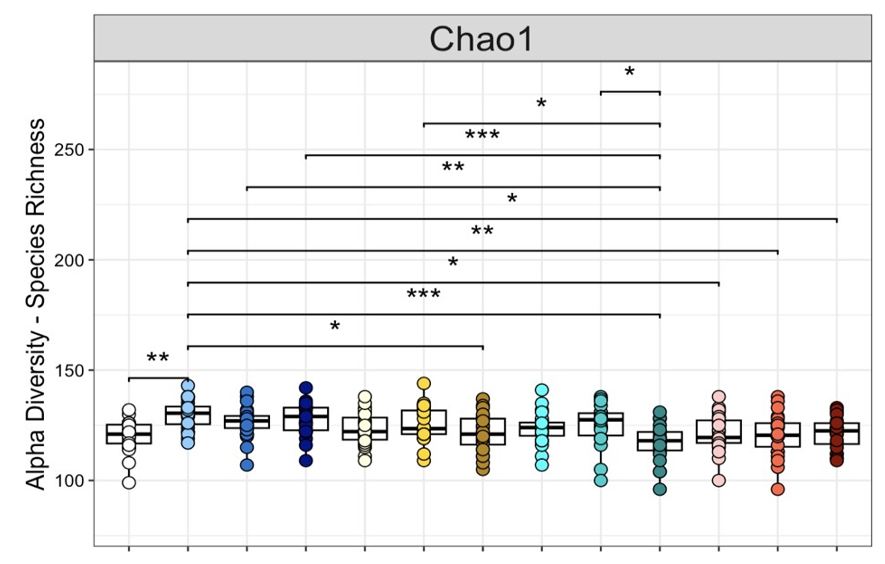
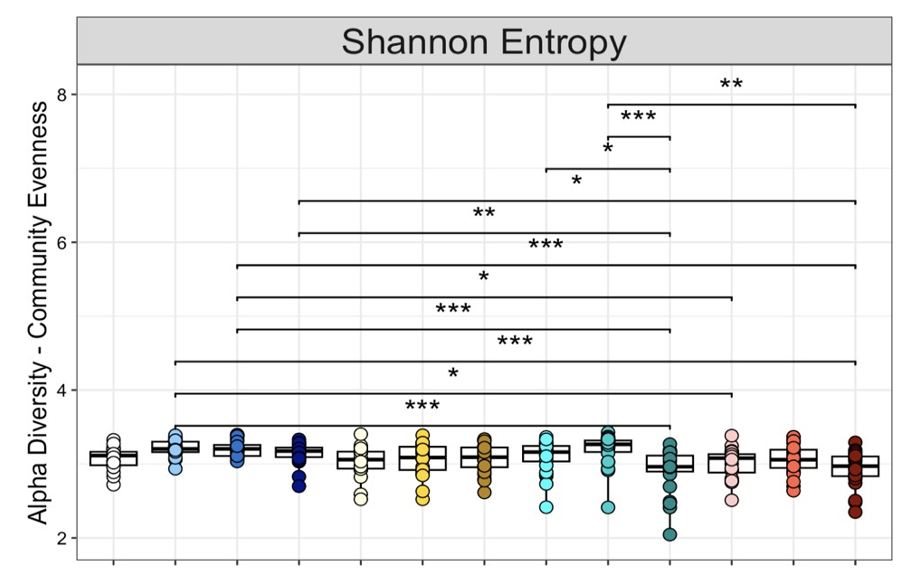
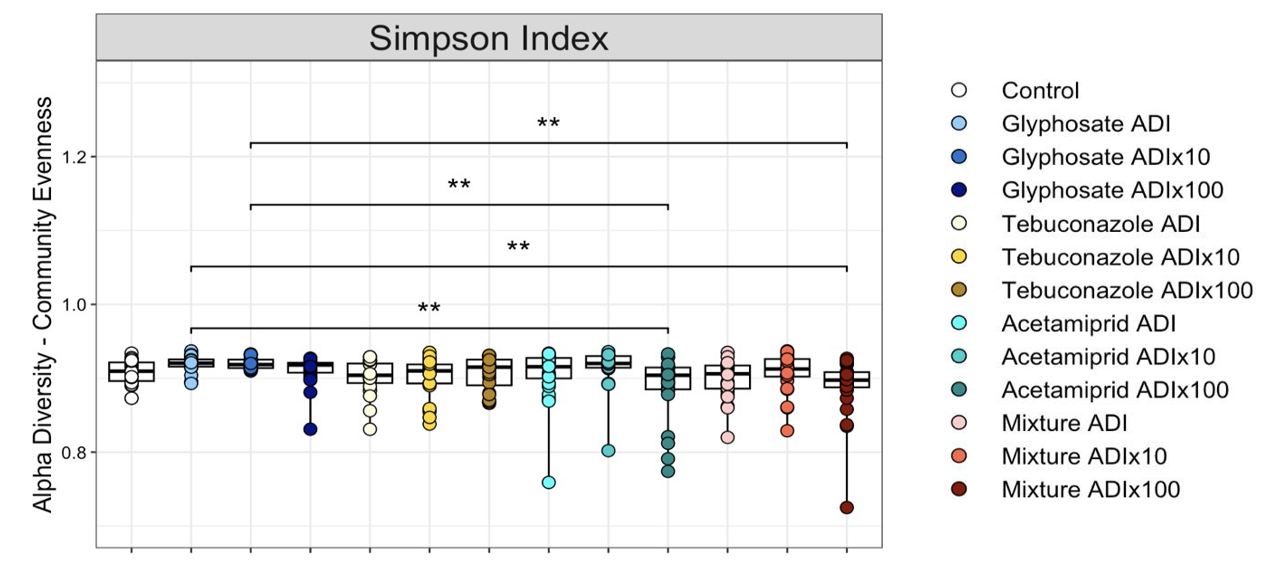
The glyphosate group was the only pesticide treatment that was significantly different to control group, showing higher Chao1 richness than the control, which is surprising, as it contradicts the general expectation for pesticide effects on microbial communities. Specifically, the ADI of glyphosate had a significant increase in community richness. Under the conditions of this study, sex did not appear to be a major determinant of alpha diversity in the SD rat gut microbiome.
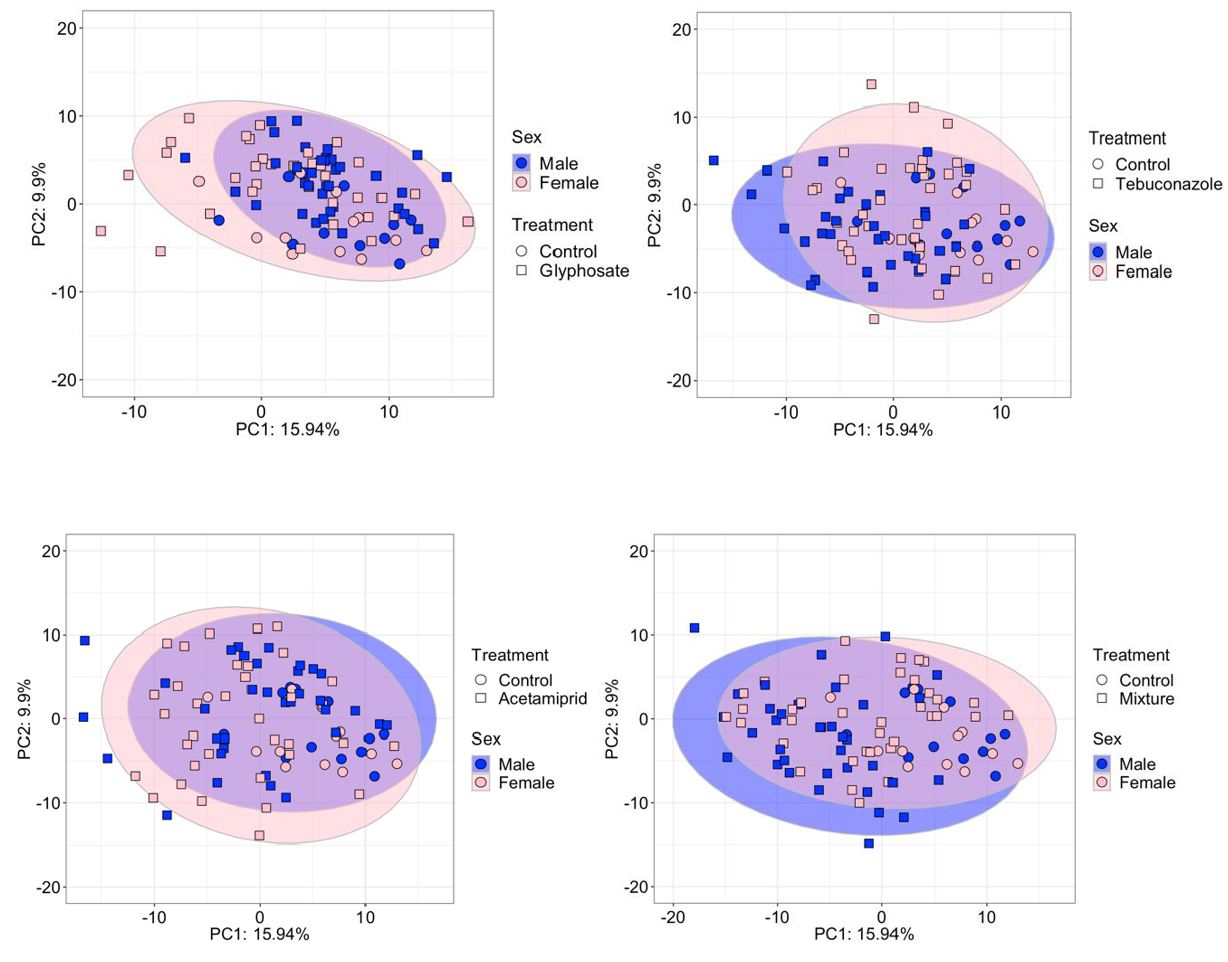
An ordination method Principal Component Analysis (PCA) was used to assess beta diversity; the result suggested that pesticide treatment played a significant role in shaping the microbiome community structure although a large proportion of the variation remains unexplained.
The PCA visualisation revealed a trend wherein higher doses of each pesticide and mixture exhibited a spatial orientation further removed from the control group, indicating a dose-dependent shift in microbial community composition.
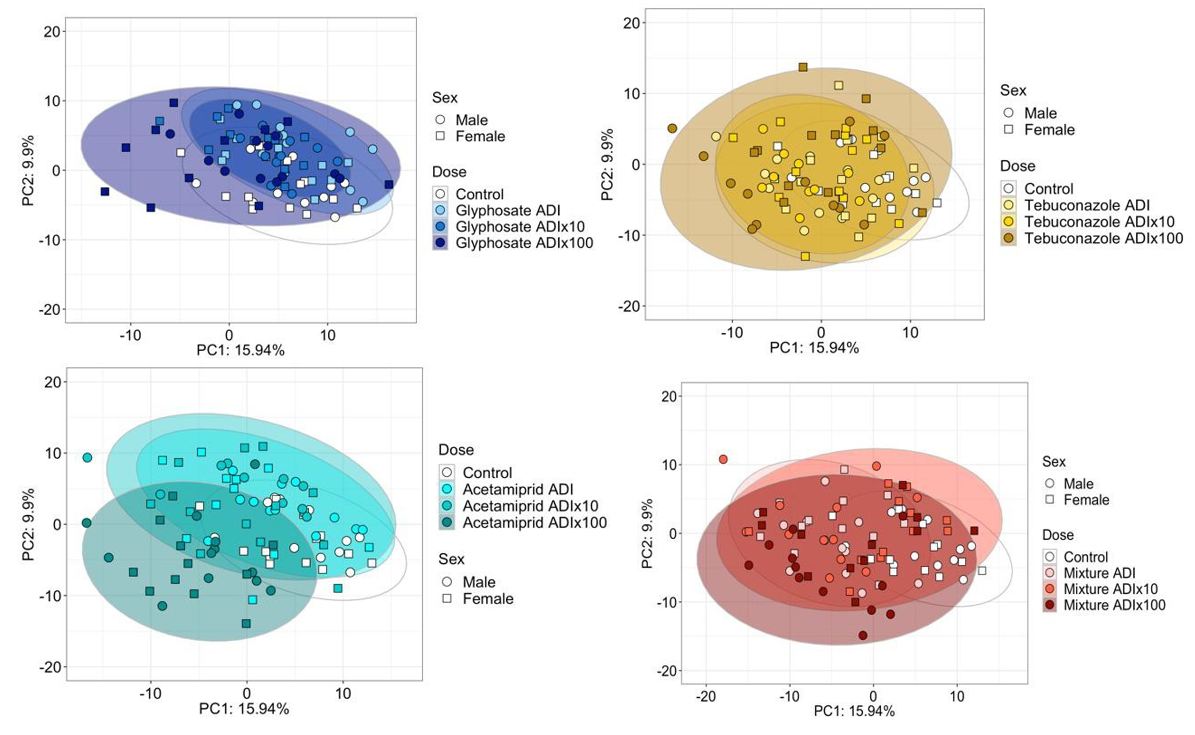
Moreover, the increased dispersion of samples within these high-dose groups suggests greater beta diversity, implying that elevated pesticide exposure leads to more variable and distinct microbial communities compared to the relatively clustered control group.
The differentially abundant taxa between Control and Glyphosate ADI groups comprise of a diverse array of gut microbiome members with varying functional roles.
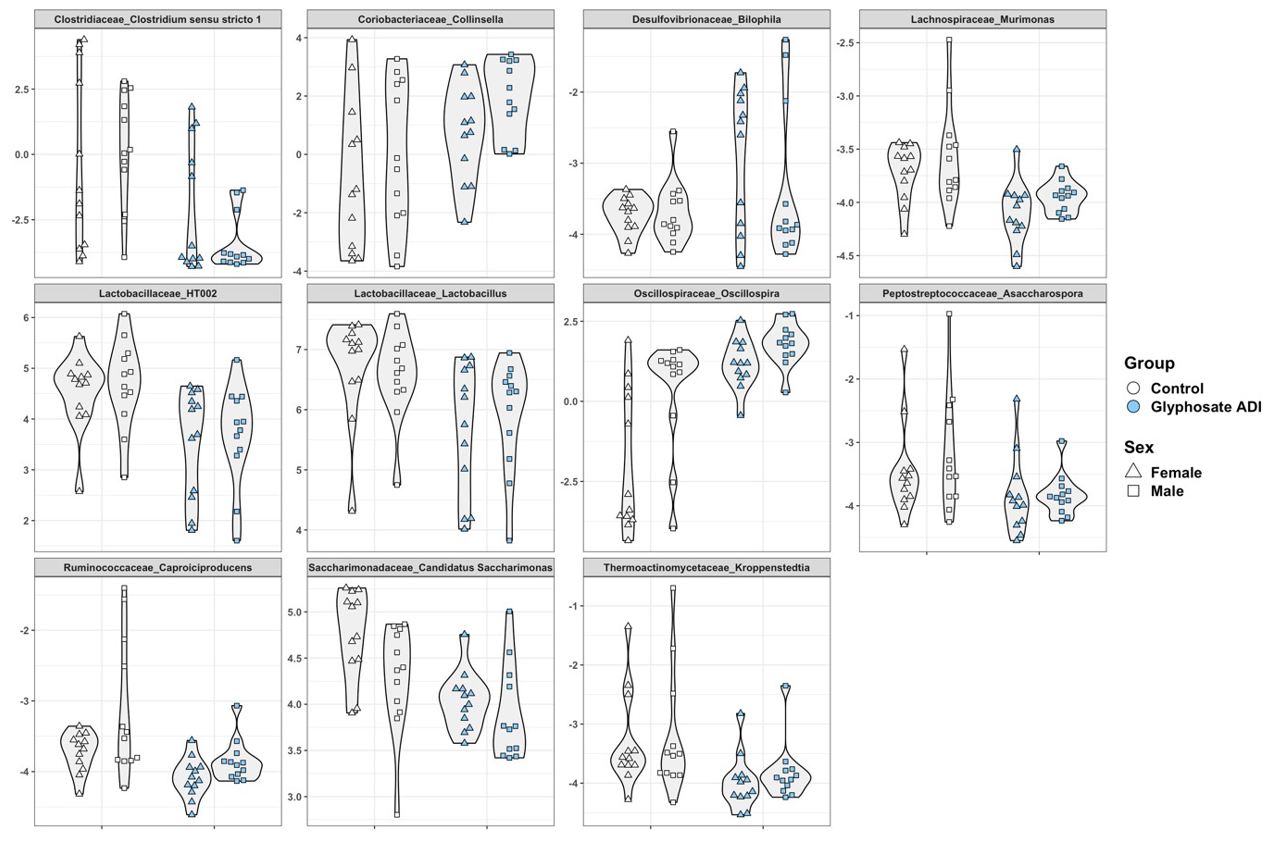
The taxa identified in the comparison of Tebuconazole ADI group versus Control group highlighted a significant reduction in beneficial taxa. Overall, the differential abundance of taxa suggested that tebuconazole at ADI exposure disrupted the gut microbiome by reducing beneficial bacteria like SCFA producers and increasing potentially harmful pathobionts like Collinsella.
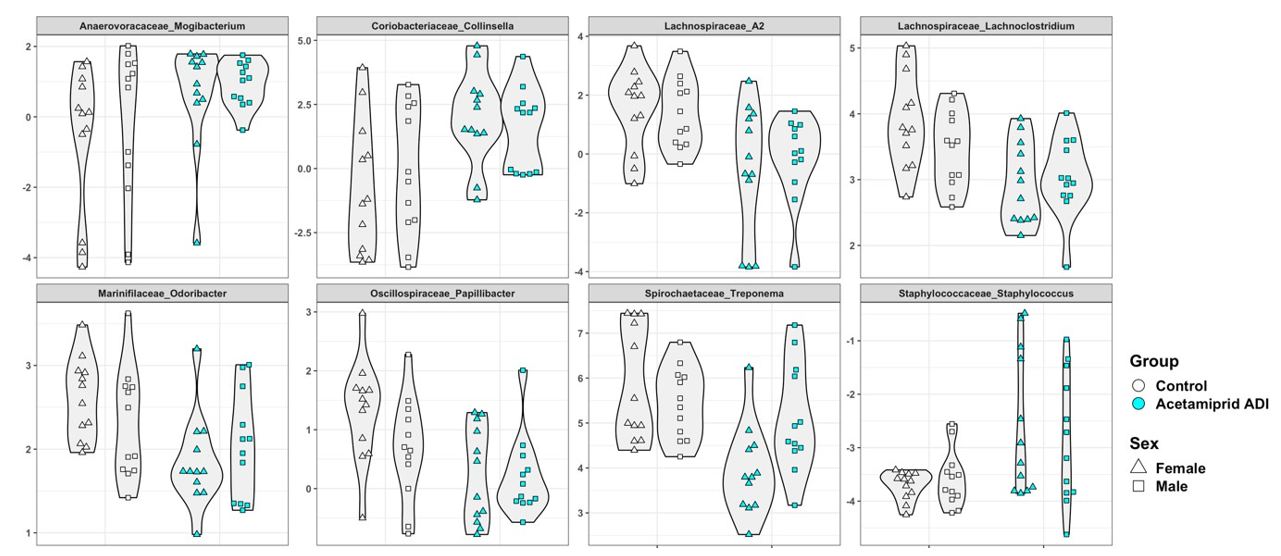
Acetamiprid
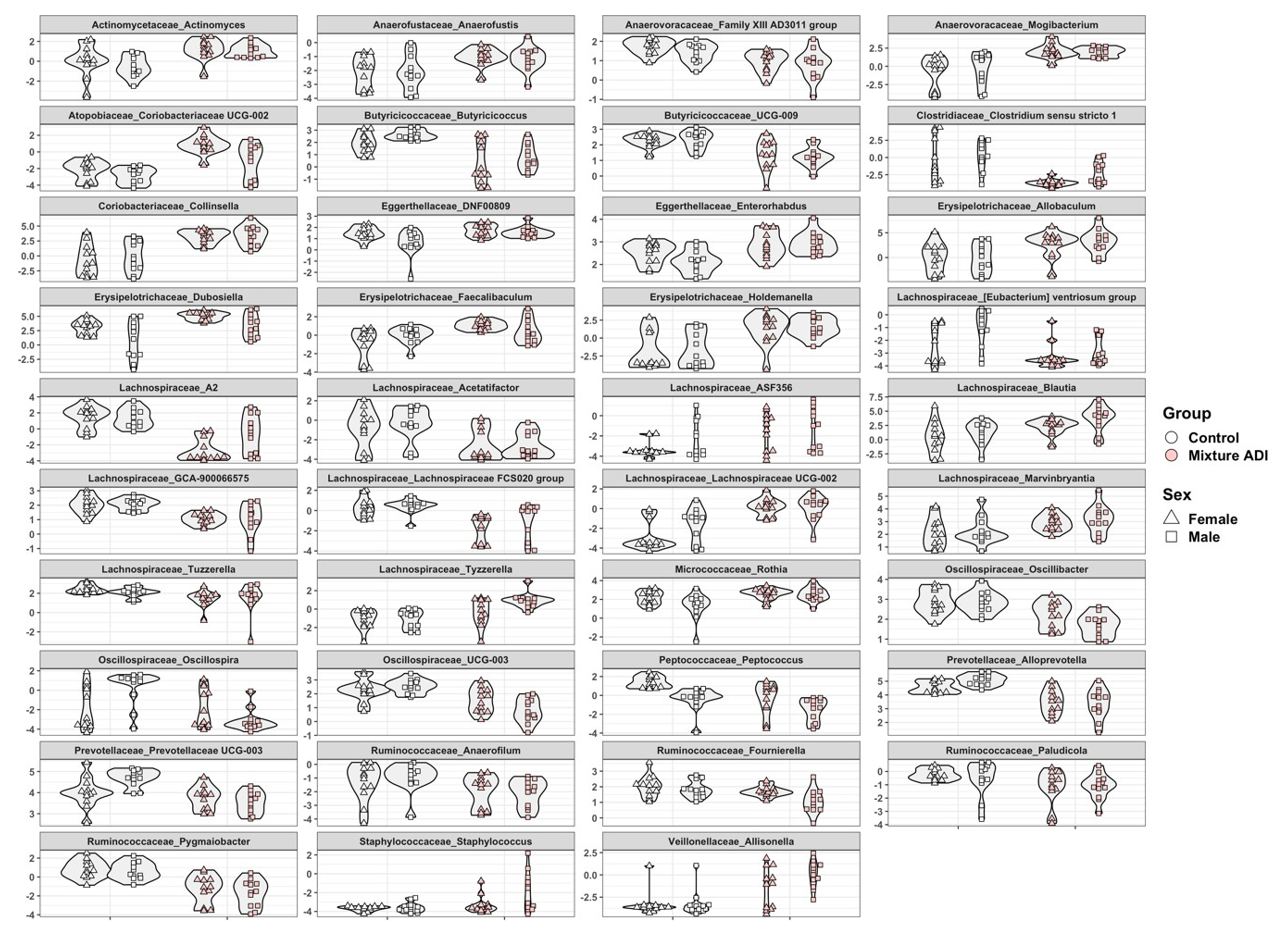
Strikingly, the Mixture of all three pesticides at ADI level altered 39 bacterial taxa at genus level. The mixture affected several beneficial taxa that were also altered by individual treatments; interestingly, some taxa affected by individual treatments were not significantly altered in the mixture, suggesting potential antagonistic effects or complex interactions within the microbial community in response to the pesticide mixture.
The impact of various pesticide exposures on inferred gut microbial metabolism revealed potential disruptions to the gut-brain axis.
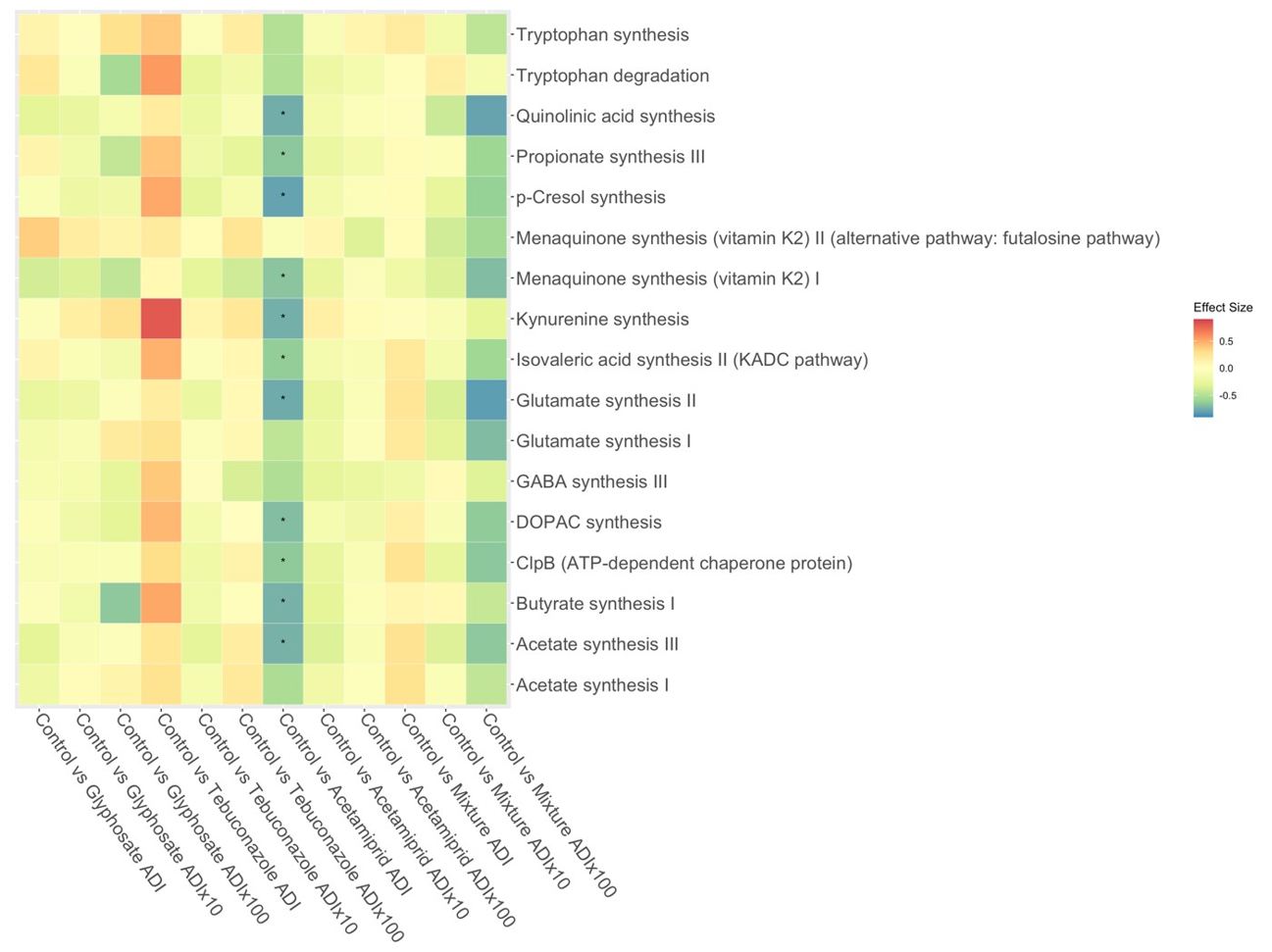
Collectively, these findings suggest that pesticide exposure can significantly modulate microbial pathways relevant to the GBA, potentially influencing neurotransmitter balance, neuroinflammation, and gut barrier integrity, warranting further investigation into the long-term neurological and behavioural consequences.
ELECTRON MICROSCOPY AND MORPHOMETRIC ANALYSES OF KIDNEY LESIONS IN MICE AND RATS
Aims
The goal was to evaluate whether lysosomal lesions, potentially associated with nephrotoxicity, could be identified in the pesticide exposure study conducted on rats by Ramazzini Institute (RAM). Additionally, to detect possible changes in kidney structural architecture caused by pesticide exposure, we conducted a morphometric analysis of kidney tissue. This analysis included samples from RAM’s pesticide exposure studies on rats and UCC’s studies on mice.
Methods
General kidney histology
Rats’ Kidney samples
Previously cut kidney slides were provided by RAM. Slides were stained with Periodic Acid Schiff stain and scanned to obtain Whole Slide Images (WSI’s) for histological evaluation.
Mice Kidney samples
Whole kidney samples provided by UCC were processed to obtain slides for histology. Slides were cut to 1μm, stained with Periodic Acid Schiff stain and scanned to obtain Whole Slide Images (WSI’s) for histological evaluation.
Lysosome quantification
For evaluation of the lysosomal compartment in the kidneys we performed Jones’ silver stain on the received pre-cut slides. 3 samples per sex per group (~ Treatment:Dose) were stained. Only applicable to rats samples received from RAM.
Next Generation morphometry
Next Generation Morphometry (NGM) was applied on PAS-stained WSI’s of the murine (UCC) and rat (RAM) study. In the current analysis, focus lie on glomeruli and tubules as these are the renal structures which are most representative for (histo-)pathological changes in the kidney.
Results
General kidney histology (mice and rats)
Gross qualitative microscopical evaluation revealed no major differences between controls and the pesticide exposed animals.
Lysosomal phenotype
In control animals a clear difference is observed between male and female kidneys in rats. The current semiquantitative scoring approach revealed no significant differences between controls and pesticide-exposed groups. Two-Way ANOVA confirmed a significant difference between the two sexes where female rats presented a larger number of tubules with enlarged argyrophilic granules.
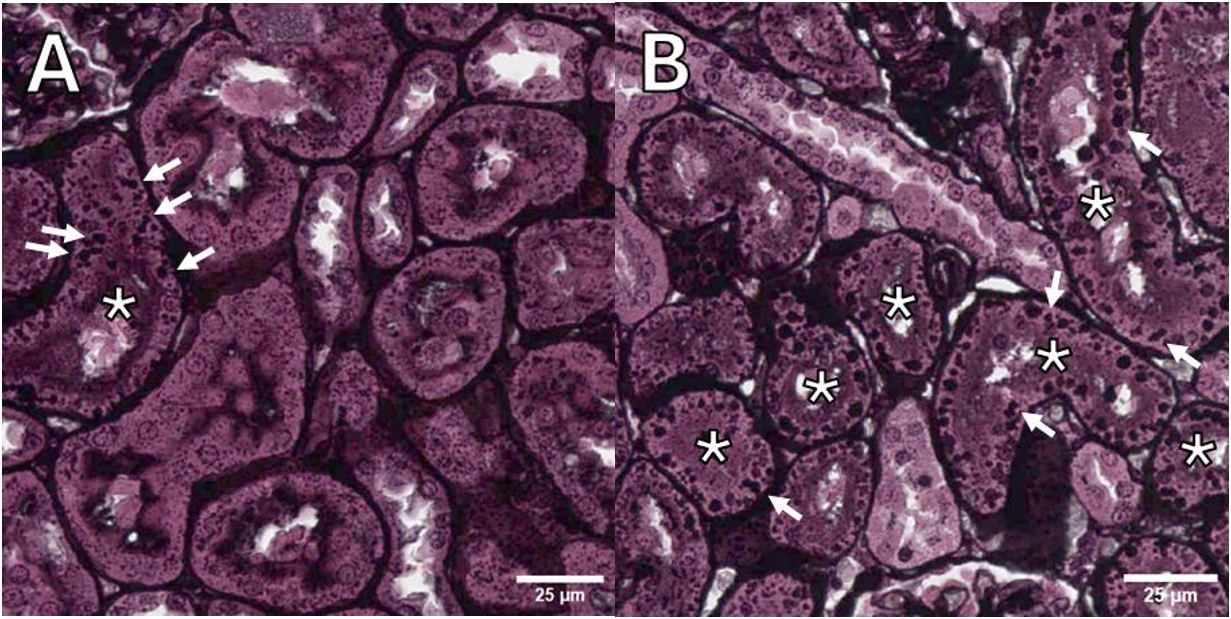
Electron Microscopy
Samples from 3 animals per control group and each of the ADI-exposed groups were included. With respect to lysosomes, no aberrations as defined by our previous observations were noted in any of the controls or pesticide-exposed rats.
With respect to lysosomes, no aberrations as defined by our previous observations were noted in any of the controls or pesticide-exposed rats. Moreover, there were little to no recognizable lysosomes in the evaluated electron microscopy (EM) samples.
Other electron microscopical observations
Regardless of the lysosomes, we observed clear, apparently empty, vesicles containing greyish structures or darker round granules.
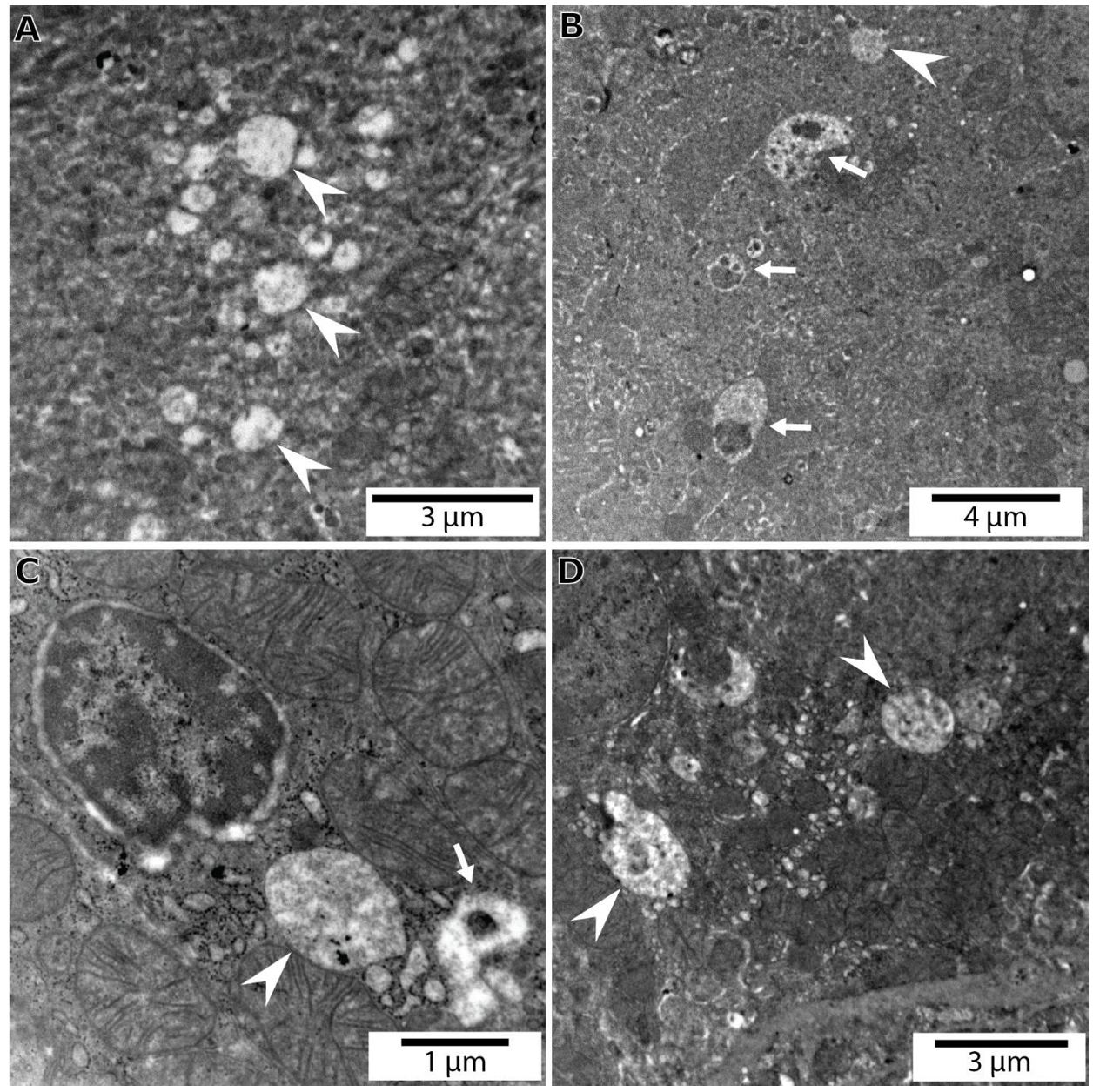
While these were present in almost all samples, they were most frequently observed in Glyphosate-exposed animals, where they often appeared in clusters of several vesicles, while in other groups (incl. controls) they appeared mostly solitary.
With respect to mitochondria of (proximal) tubular cells, no real differences were noted in shape and size as mitochondria in control samples already showed irregular shapes and enlargement.
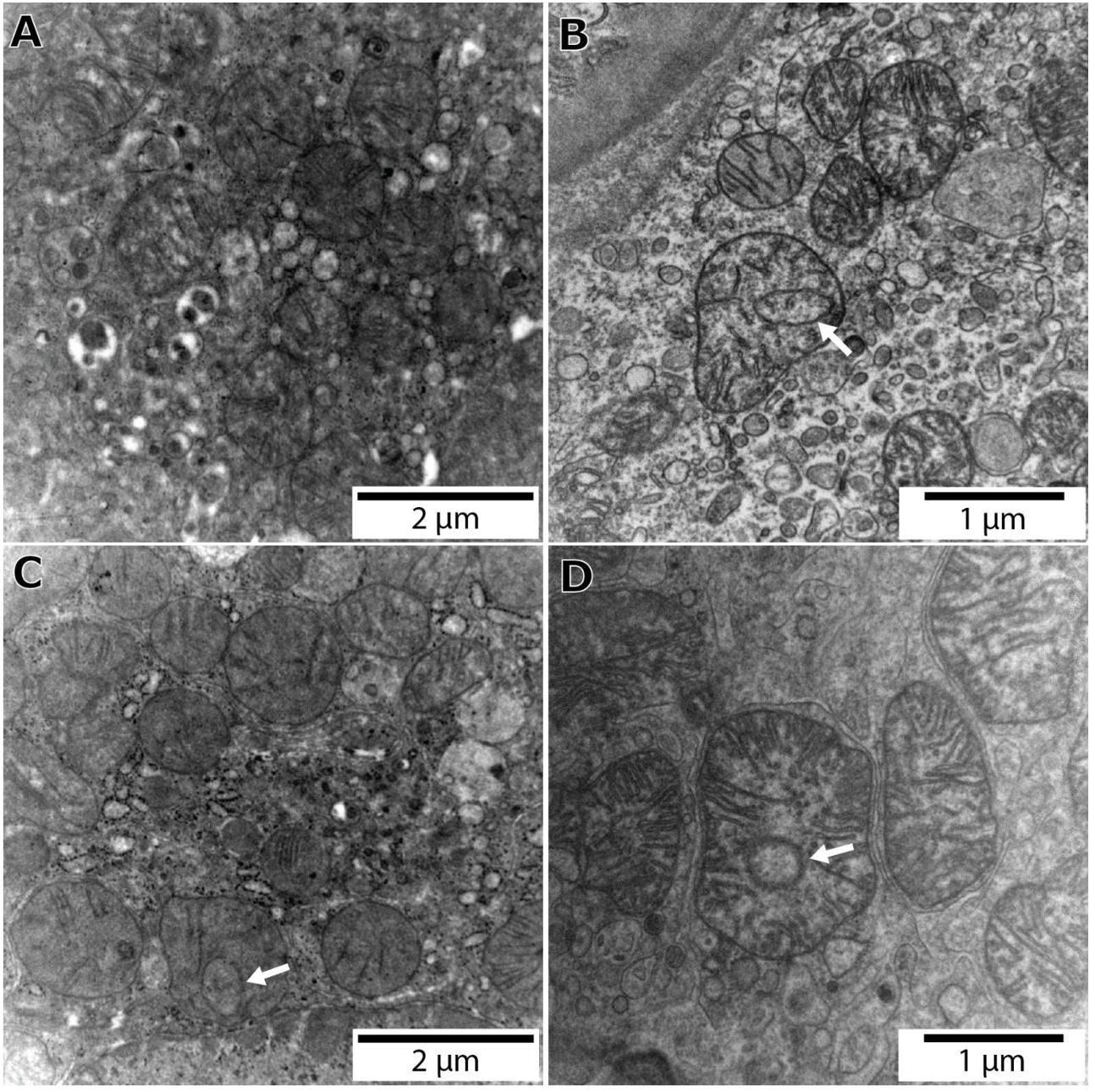
ER stress was observed both in pesticide-exposed and control groups.
Pesticide-exposed kidneys showed several instances of basement membranes with prominent protrusions into the proximal tubular cells, in tebuconazole-exposed rats and more frequently in mixture-exposed rats of both sexes.
Glyphosate exposure in mice
Morphometry Analysis
Glomerular size, the relative size of the glomerular tuft, tubular size, tubular elongation, tubular solidity and intertubular distance were statistically analysed, considering treatment and sex as variables. No significant (q-value <0.05) comparison was observed.
RAM: individual pesticides & pesticide mixture in rats
Morphometry Analysis
Sex- and dose-dependent responses are observed for different kidney compartments, the extent of which depending on the administered dose. It is also of note that most significant changes are recorded in the lowest and middle dose groups, ADI and 10xADI respectively.
For male rats there is a significant increase in the average glomerular size versus control in the groups exposed to Glyphosate (ADI), Tebuconazole (10xADI), Acetamiprid (ADI & 10xADI) and mixture (ADI). In the mixture-ADI group there is also an associated significant decrease in the relative size of the glomerular tuft. In Tebuconazole (10xADI) rats the glomerular hypertrophy is accompanied by tubular hypertrophy in the cortex.
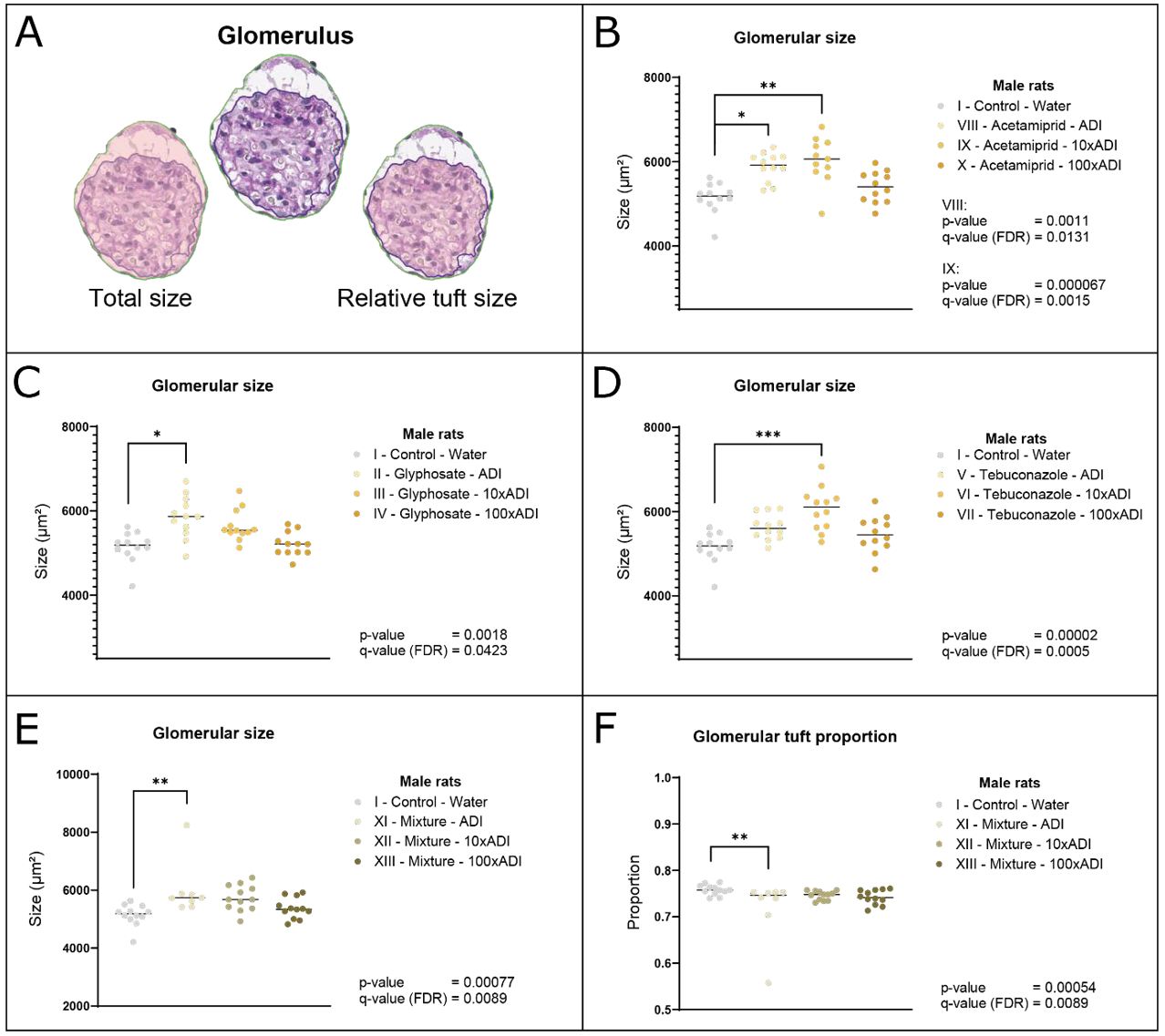
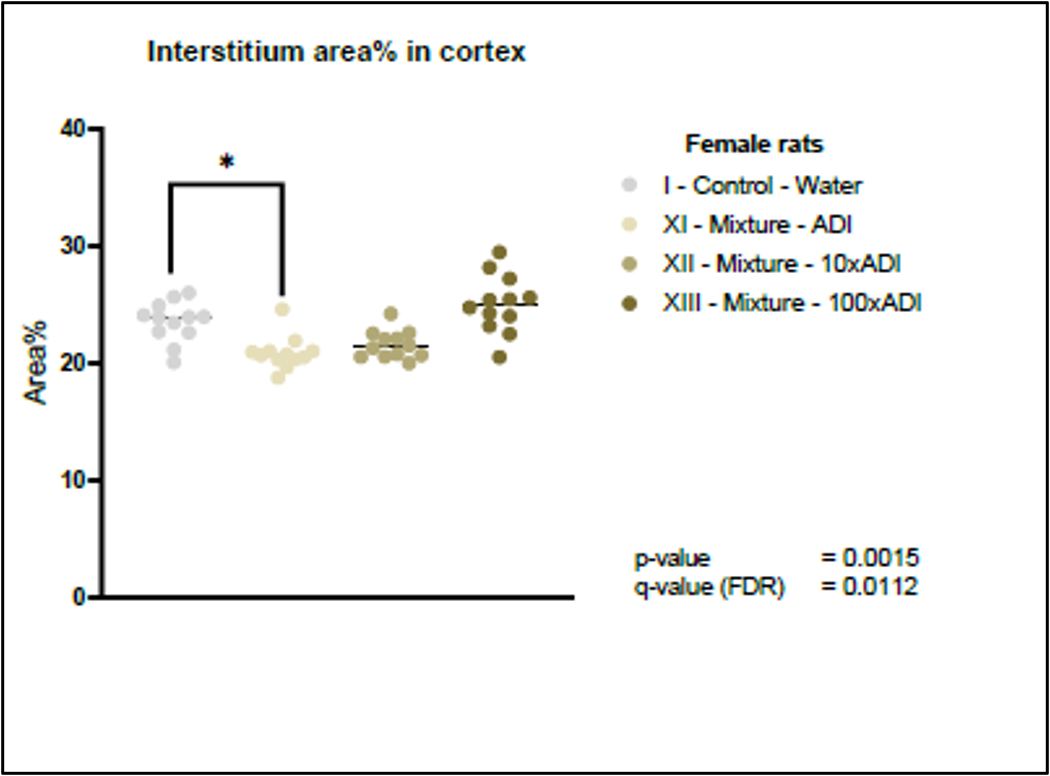
A decrease in interstitial area% is observed in the cortex of Tebuconazole (10xADI) exposed male rats and Mixture (ADI) exposed female rats compared to controls.
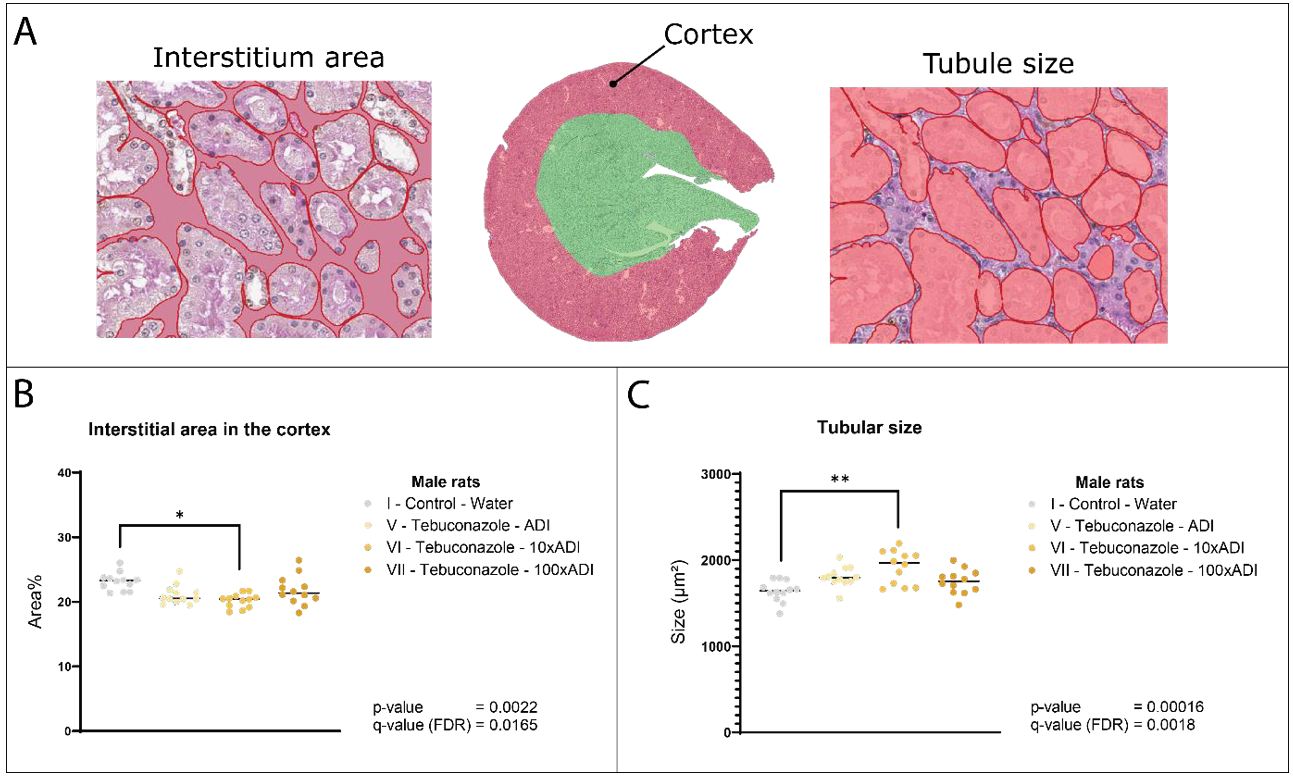
In female rats the most significant changes are observed on the general shape of the cortical tubules in the groups exposed to Glyphosate (ADI), Acetamiprid (ADI) and Tebuconazole (ADI & 10xADI).