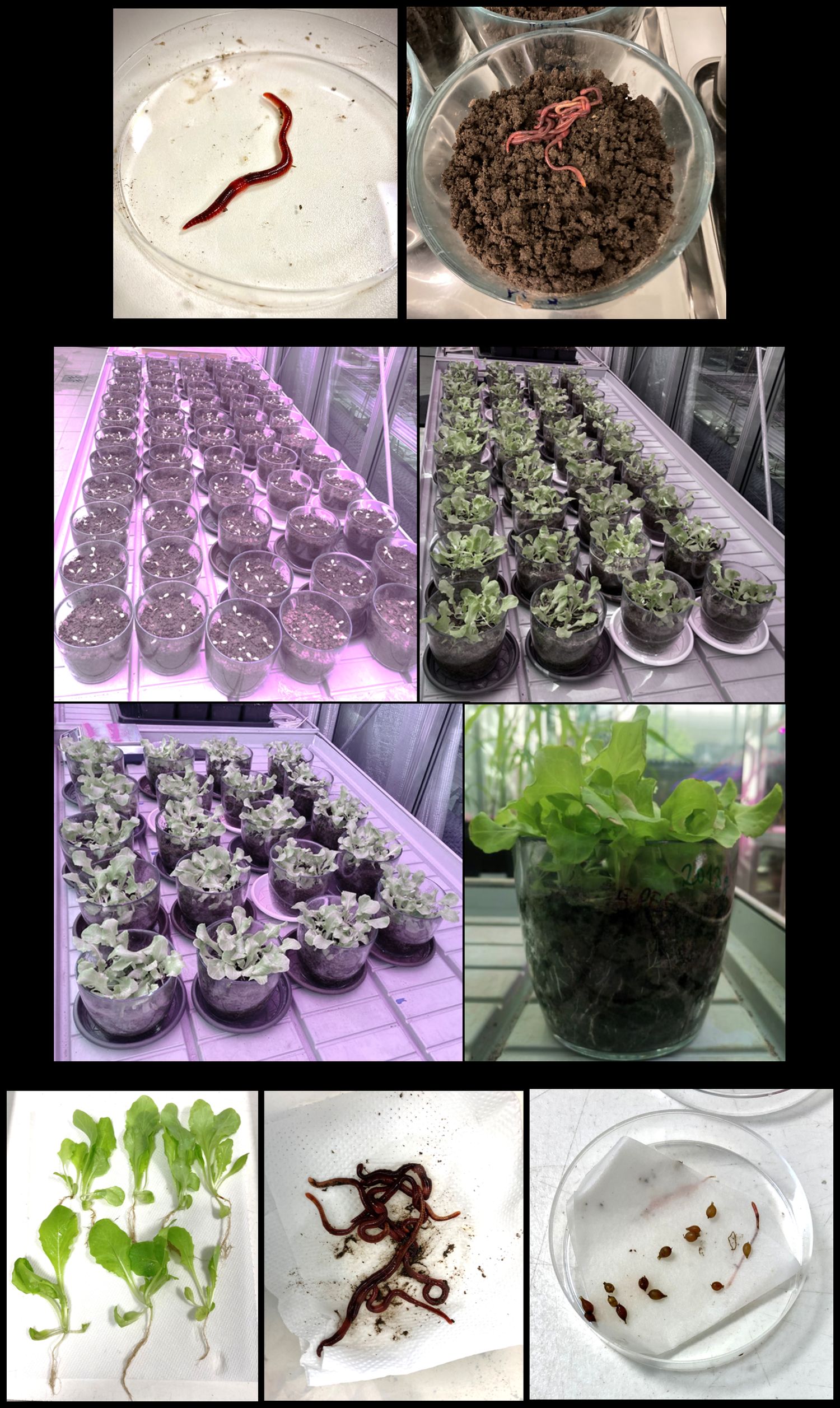
Ecotoxicity tests were carried out on soil invertebrates (earthworms and springtails), terrestrial plants, soil microbes, beneficial insects, and bees, following or adapting standard guideline protocols.
For soil invertebrates, terrestrial plants, and microbes, 3 concentrations were tested:
- field concentration – measured environmental concentration (MEC)
- predicted exposure concentration from EFSA assessment (PEC)
- five times higher concentration than PEC (5PEC)
For beneficial insects, 3 concentrations were used:
- one half of the application rate (AR/2)
- application rate (AR)
- two times higher than the application rate (2AR)
For bees, 5 concentrations were used:
- one-quarter of the predicted dietary exposure quantity (PEQ/4)
- half of the predicted dietary exposure quantity (PEQ/2)
- predicted dietary exposure quantity (PEQ)
- two and a half times the predicted dietary exposure quantity (2.5PEQ)
- five times higher than predicted dietary exposure quantity (5PEQ)
- ten times higher than predicted dietary exposure quantity (10PEQ)
Earthworms
Reproduction tests were carried out with the standard earthworm Eisenia fetida and with the native species Lumbricus rubellus. The test with E. fetida followed the standard OECD 222 guideline. For the epigeic L. rubellus, the OECD 222 guideline was also used, but the test duration was extended to 74 days.
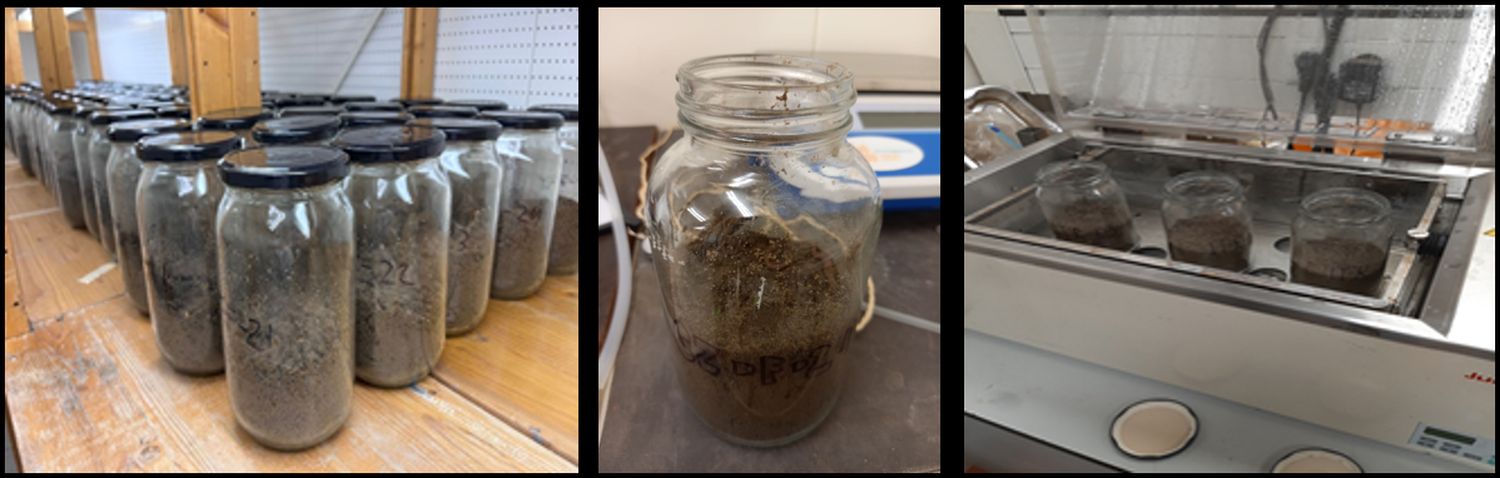
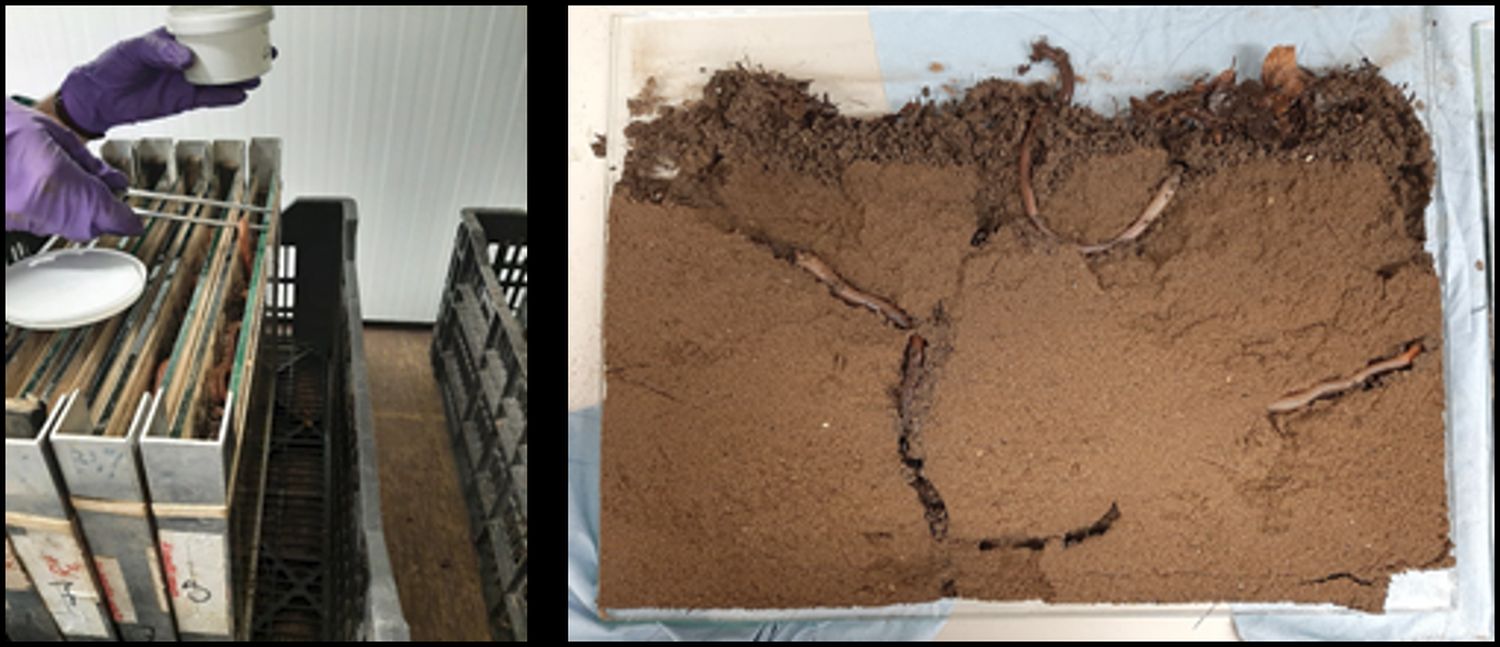
The anecic Lumbricus terrestris was exposed in glass mesocosms for 74 days. After that, earthworm survival and growth were assessed, as well as tunnel volume and cast biomass.
Springtails
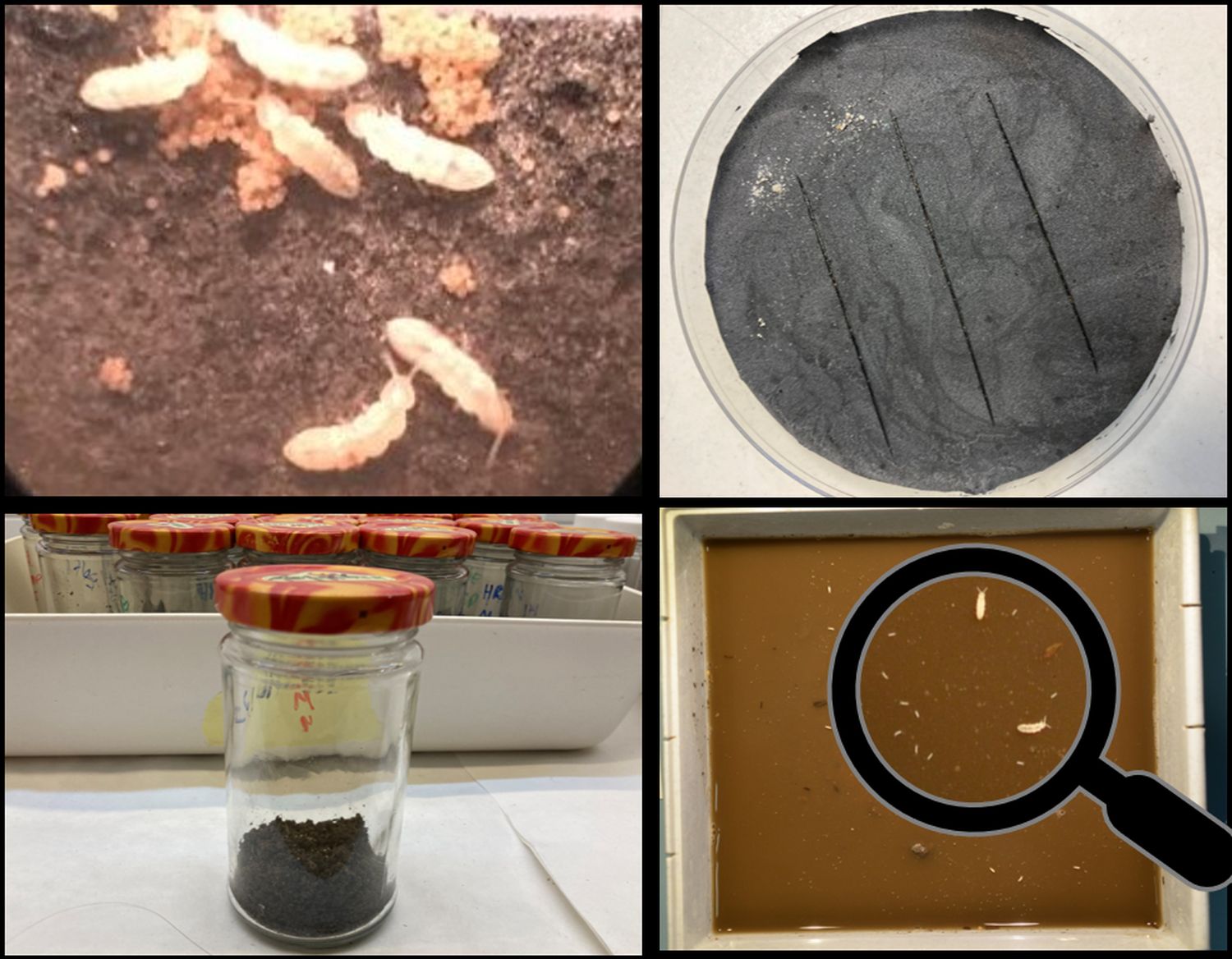
For the springtail Folsomia candida, the reproduction test was carried out, following the OECD 232 guideline. Age-synchronized juveniles were exposed for 28 days. At the end of the experiment, the number of surviving adults and the number of juveniles was counted.
Terrestrial plants
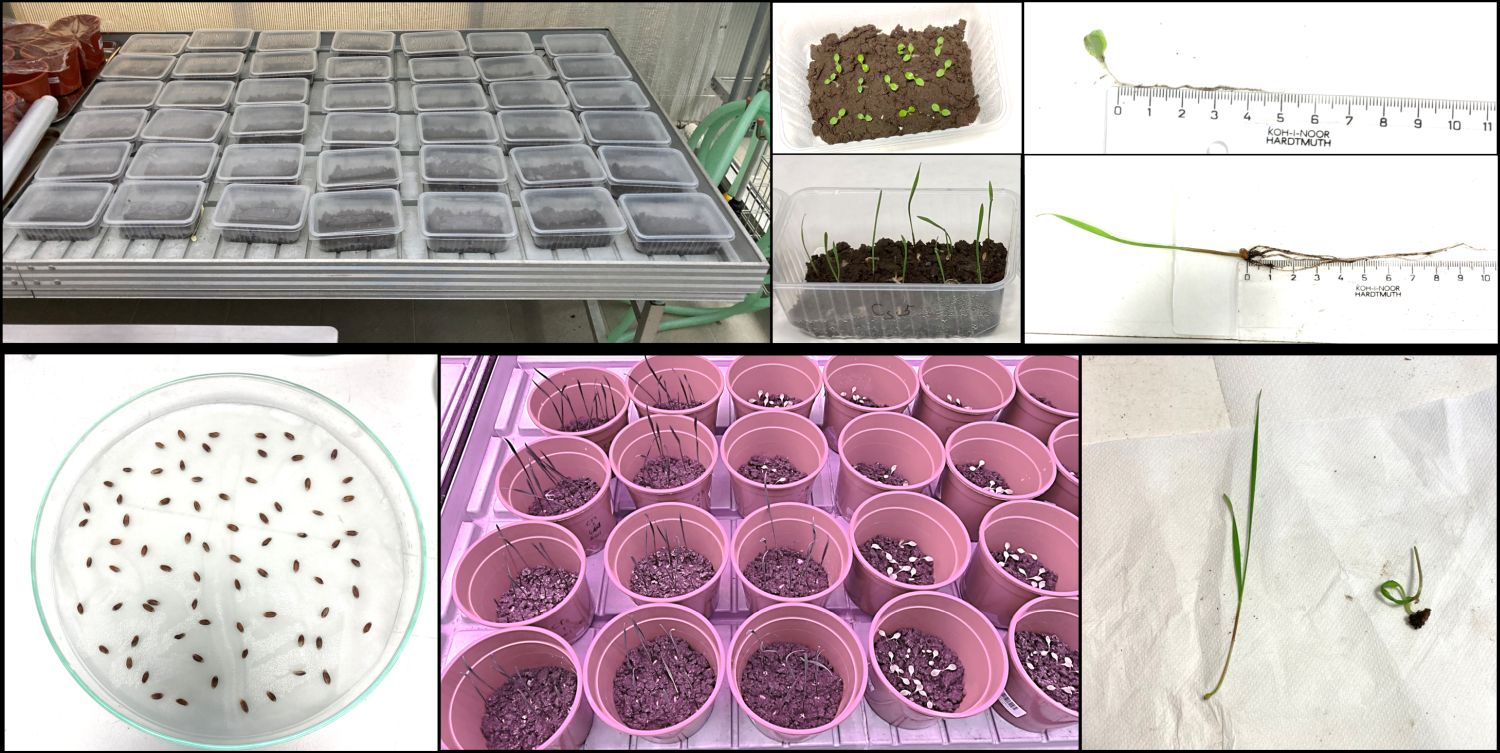
Root growth inhibition test and seedling emergence and growth test were conducted based on the ISO 11269-1 and OECD 208 guidelines, respectively. One monocotyledonous (Triticum aestivum) and one dicotyledonous species (Lactuca sativa) were selected.
Microbial activity
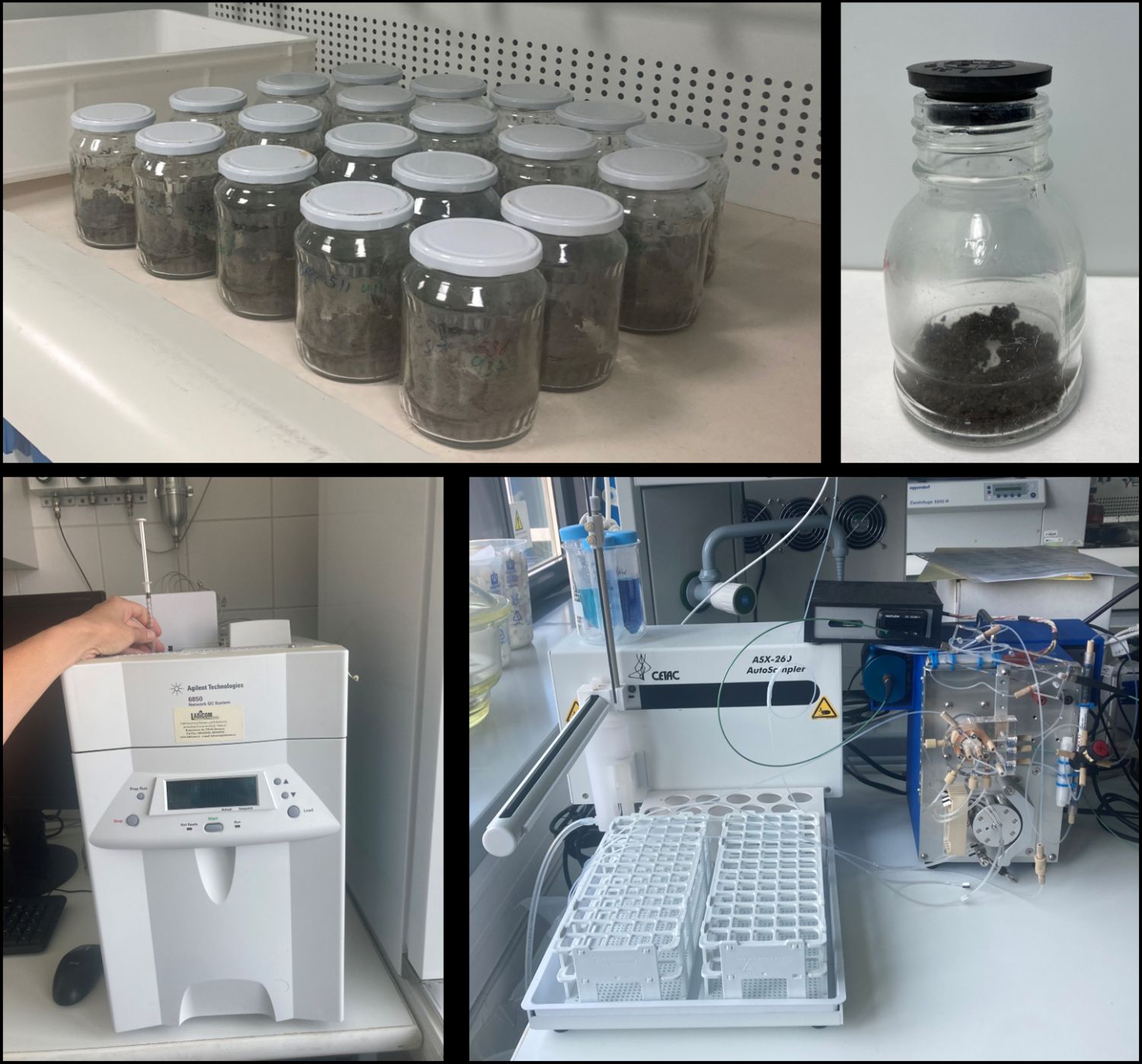
The microbial activity was assessed as carbon and nitrogen transformation, based on the OECD 217 and 216 guidelines, respectively. The basal respiration (BR), substrate-induced respiration (SIR), the potential ammonium oxidation (PAO), and potential ammonification (PAMO) were measured in soils incubated for 28 days. In treatments where effects were > ±25% from solvent control, the test continue for another 28 days intervals until 84 days.
Bees
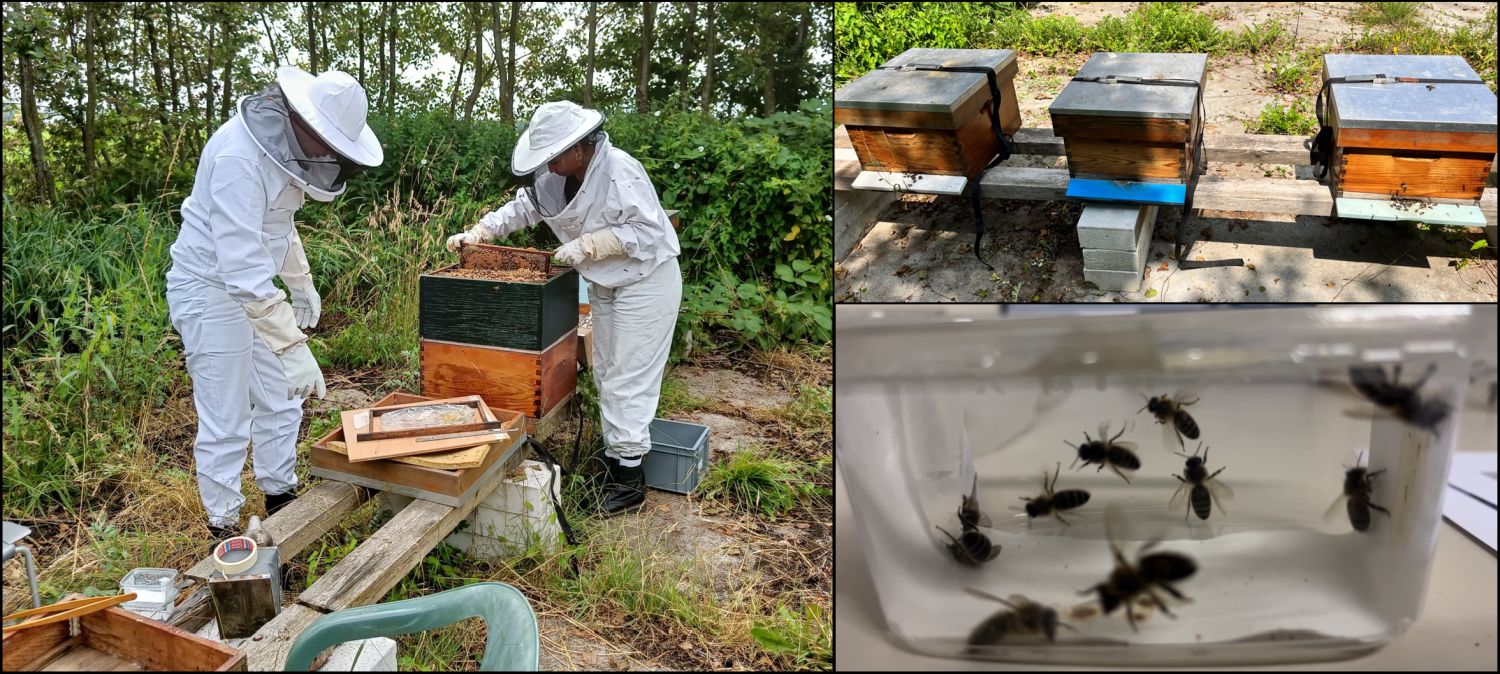
The acute oral toxicity test was performed on honeybees (Apis mellifera) following the OECD 213 guideline. Honeybees were collected from healthy colonies and were placed in plastic boxes lined with filter paper. Honeybees were fed 50% sucrose solution spiked with pesticide mixtures. Mortality and the number of bees exhibiting sublethal effects were recorded every 24 hours for 96 hours.
Beneficial insects
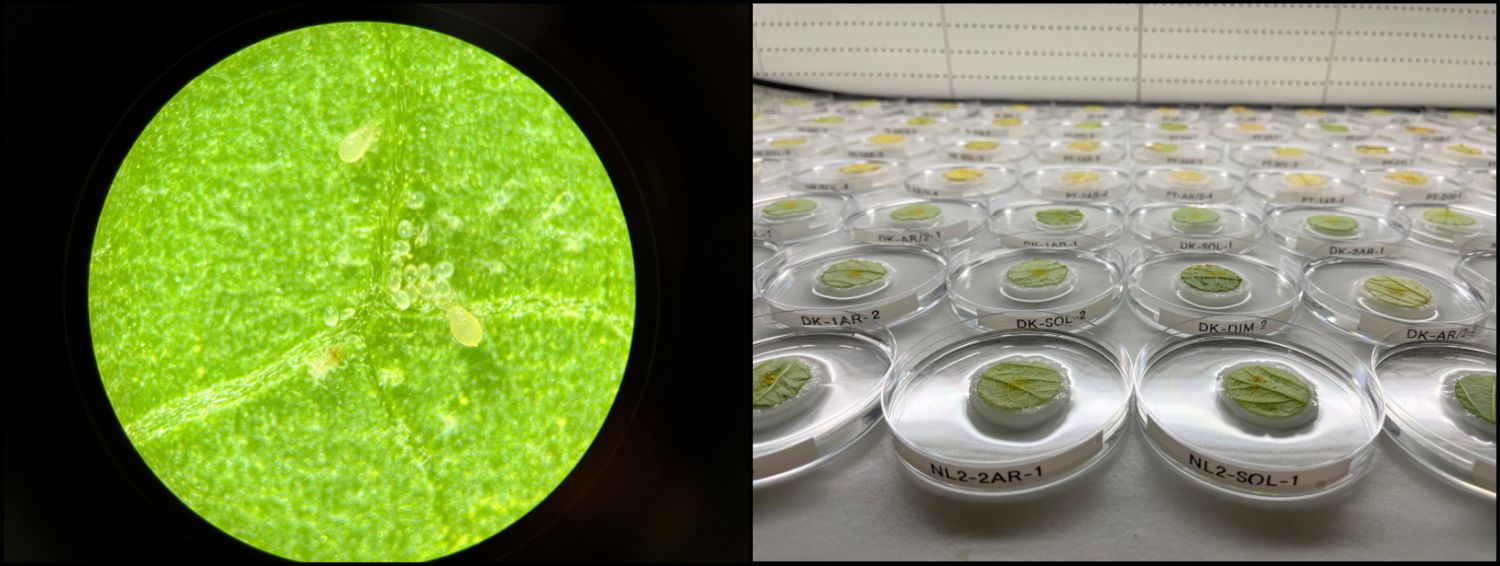
Predatory mites Amblyseius swirskii were exposed to the pesticide mixtures applied to leaf discs. The test evaluated the contact toxicity on juvenile predatory mites after 7 days and the subsequent effects on the reproduction of surviving adult females after 14 days.
Microcosms
Using a tiered approach, the effects of the most toxic CSS on earthworms were assessed in a microcosm experiment. Results from reproduction tests with different earthworm species showed that the CZ mixture was among the most toxic and was therefore selected for the microcosm study. Each microcosm pot was set up with the native earthworm species Lumbricus rubellus and lettuce seeds. Plant biomass, earthworm biomass, and their bioaccumulation were assessed after 14, 28, and 56 days. On day 56, earthworm reproduction was also measured. Carbon and nitrogen mineralization were determined as described in the “Microbial activity” section above.